Smart Utilities Report
: Analysis on the Market, Trends, and TechnologiesThe smart utilities market is entering a phase of sustained scale where data access and orchestration determine value capture: market data shows the global market at $403,130,000,000 in 2025 with an expected CAGR of 8.29% through the forecast horizon. Investment and deployment activity concentrates on (1) improving medium-voltage visibility and real-time asset sensing, (2) commercializing low-latency DER dispatch and VPP orchestration, and (3) expanding AMI/MDMS and billing stacks that convert meter streams into monetizable services. These three vectors explain why platform and API plays are attracting the fastest funding velocity while meter and hardware suppliers compete on cost, standards, and supply chain resilience
65 days ago, we last updated this report. Notice something that’s not right? Let’s fix it together.
Topic Dominance Index of Smart Utilities
To gauge the influence of Smart Utilities within the technological landscape, the Dominance Index analyzes trends from published articles, newly established companies, and global search activity
Key Activities and Applications
- Advanced Metering Infrastructure (AMI) deployment for two-way interval data and automated billing; AMI remains the foundation for outage detection, time-of-use pricing, and demand response enrollment.
- Real-time grid and distribution monitoring (low/medium voltage) using sensor networks and fiber/optical temperature sensing to reduce transformer failures and extend asset life
- DER orchestration and virtual power plant (VPP) operations that aggregate EVs, BESS, heat pumps, and flexible loads to provide balancing and reserve services to DSOs/TSOs GRIDSIGHT.
- Customer engagement and utility billing modernization: cloud CIS/UBS platforms and consumer portals that convert interval data into personalized tariffs, self-service enrollment, and automated incentive capture for electrification projects.
- Predictive asset maintenance and fault detection using IoT telemetry, digital twins, and ML models to reduce unplanned outages and optimize replacement cycles.
- EV charging integration and panel-level load management enabling managed charging, V2G pilots, and home electrification that address panel capacity limits and enable dynamic tariffs.
Emergent Trends and Core Insights
- Data as the bottleneck and moat: Utilities and third parties that provide clean, standardized meter and interval APIs accelerate product rollout; lack of standardized access remains the dominant friction point for commercial innovation.
- Shift from telemetry to control: patent and deployment activity show the field moving from remote reading to dispatch-grade control signals that enable demand response and appliance-level participation.
- Edge analytics and low-latency orchestration become necessary where millisecond control or local autonomy reduces grid stress and telecom costs, especially for medium-voltage and feeder-level control.
- Financing-first electrification: platforms that combine appliance financing, incentive automation, and installation workflows materially shorten adoption cycles for heat pumps, EV chargers, and home batteries Eli Technologies.
- Cyber and regulatory pressure: as deployments scale, OT security and regional compliance stacks rise to the top of utility procurement requirements; vendors lacking embedded cybersecurity risk exclusion from major contracts.
- Vertical bifurcation of value pools: large incumbents capture infrastructure modernization revenues while nimble platform/API vendors extract recurring margins from DER monetization and consumer applications.
Technologies and Methodologies
- Advanced Metering Infrastructure (AMI) and Meter Data Management Systems (MDMS) for meter-to-cash and interval analytics.
- Digital twins and GIS-driven planning to simulate load flows, plan connectivity for DERs, and optimize CAPEX schedules for distribution upgrades.
- Edge computing and on-device ML to perform near-source anomaly detection, transient appliance disaggregation, and local control decisions that reduce round-trip latency and telecom costs.
- LPWAN / NB-IoT / LoRaWAN and cellular IoT stacks for wide area meter telemetry in water and distributed sites; hybrid PLC/RF architectures for densified electrical networks.
- AI/ML for load forecasting, predictive maintenance and demand response optimization applied at feeder, substation, and portfolio levels.
- API-first interoperability and orchestration layers that expose meter, bill, and device telemetry as standardized services for third-party applications
- Cloud-native CIS/UBS platforms and SaaS billing models to convert interval data into customer experiences and recurring revenue streams.
Smart Utilities Funding
A total of 70 Smart Utilities companies have received funding.
Overall, Smart Utilities companies have raised $2.5B.
Companies within the Smart Utilities domain have secured capital from 213 funding rounds.
The chart shows the funding trendline of Smart Utilities companies over the last 5 years
Smart Utilities Companies
- Sensible Photonics — Provides low-cost fiber-optic sensing for distribution transformers to deliver continuous temperature and thermal-runaway alerts that reduce emergency replacements and extend asset life. The technology targets utilities facing constrained transformer supply and aims to feed real-time thermal telemetry into distribution automation and asset management workflows
- Bayou Energy — Offers an API layer that gives developers rapid, standardized access to metered account, bill, and usage interval data with one-click customer authentication. This data plumbing shortens integration cycles for DER orchestration, vendor pilots, and energy apps where direct utility integration would otherwise delay go-to-market
- Stepwise — Focuses on home electrification by enabling dynamic load management at the service panel to allow EV chargers and heat pumps to coexist without costly panel upgrades. The product addresses the residential last-mile constraint and reduces installation friction for electrification contractors
- Zerowatt — Delivers an industrial energy intelligence platform that combines high-resolution power, water, and steam telemetry with ML to surface prescriptive actions that cut factory OpEx by up to 30% in deployments; commercial customers use this as a quick payback pathway that funds later utility integrations
- Plexigrid — Builds real-time distribution digital twins and optimization software for DSOs to model low and medium voltage scenarios including PV integration, EV charging, and storage, enabling faster connection studies and flexible capacity monetization
Get detailed analytics and profiles on 523 companies driving change in Smart Utilities, enabling you to make informed strategic decisions.
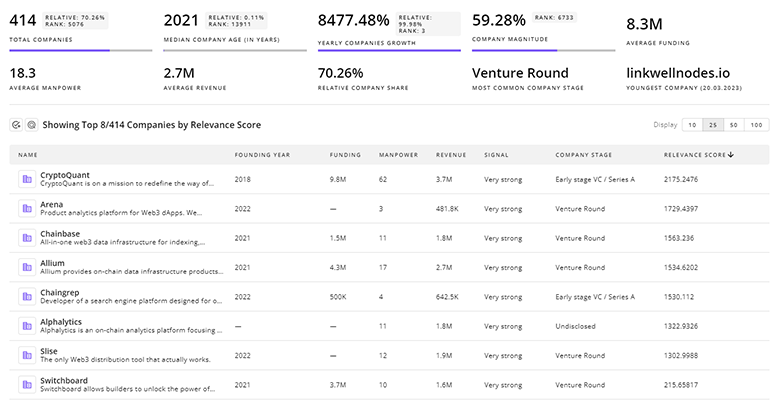
523 Smart Utilities Companies
Discover Smart Utilities Companies, their Funding, Manpower, Revenues, Stages, and much more
Smart Utilities Investors
TrendFeedr’s Investors tool provides an extensive overview of 226 Smart Utilities investors and their activities. By analyzing funding rounds and market trends, this tool equips you with the knowledge to make strategic investment decisions in the Smart Utilities sector.
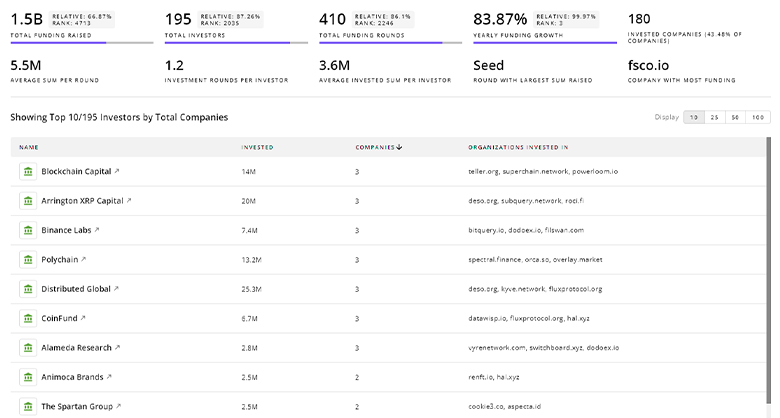
226 Smart Utilities Investors
Discover Smart Utilities Investors, Funding Rounds, Invested Amounts, and Funding Growth
Smart Utilities News
Explore the evolution and current state of Smart Utilities with TrendFeedr’s News feature. Access 363 Smart Utilities articles that provide comprehensive insights into market trends and technological advancements.
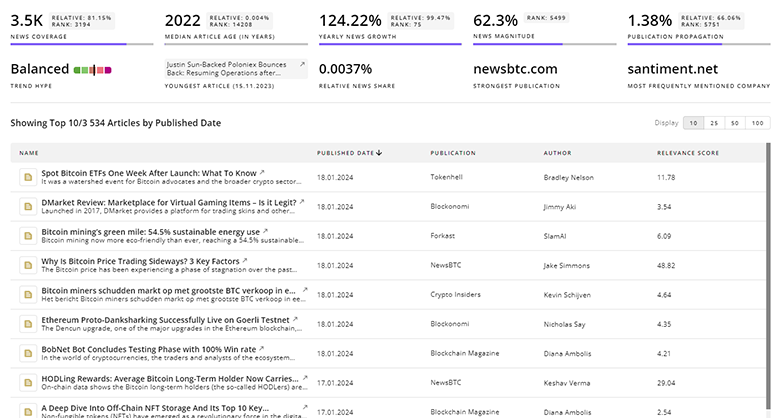
363 Smart Utilities News Articles
Discover Latest Smart Utilities Articles, News Magnitude, Publication Propagation, Yearly Growth, and Strongest Publications
Executive Summary
The most actionable insight is simple: control of granular consumption data and the dispatch signal defines the next wave of value in smart utilities. Utilities will continue to fund grid hardening and AMI upgrades that mitigate outages and comply with policy, but recurring revenue and investor returns concentrate around software that standardizes utility data, orchestrates DERs at scale, and lowers the customer friction in electrification. Market participants should prioritize (1) securing deterministic access to meter and interval streams, (2) embedding low-latency edge analytics to support feeder and panel control, and (3) pairing technical offerings with financing or incentive automation that accelerates household electrification. Strategic M&A that brings API/data intermediaries and financing platforms into incumbent portfolios will shorten utility sales cycles and monetize the flexibility value now sitting unused at the grid edge.
We're looking to collaborate with knowledgeable insiders to enhance our analysis of trends and tech. Join us!