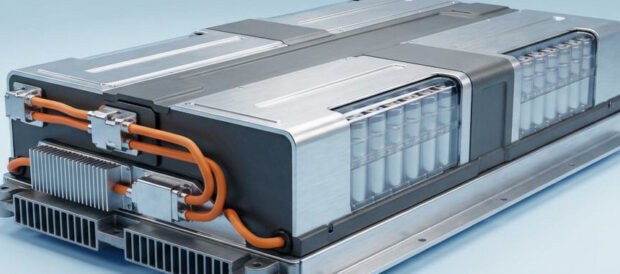
Sustainable Batteries Report
: Analysis on the Market, Trends, and TechnologiesThe sustainable batteries sector sits at a commercial inflection where material innovation and circular supply economics determine winners: Total funding raised: $37.47B in the topic area highlights the capital intensity and investor focus on closing material loops and scaling new chemistries. The most immediate commercial opportunities concentrate on electrode-material recycling and direct-precursor production, industrial-scale solid-state integration, and second-life stationary storage that together can reduce critical-mineral import dependency while improving lifecycle economics. Rapid manufacturing and dry-processing methods are shortening the path from prototypes to pilot lines, but manufacturing scale and recycled-material velocity remain the decisive bottlenecks for near-term commercial returns Sustainable Battery Materials Market Industry Insights.
47 days ago, we last updated this report. Notice something that’s not right? Let’s fix it together.
Topic Dominance Index of Sustainable Batteries
To gauge the influence of Sustainable Batteries within the technological landscape, the Dominance Index analyzes trends from published articles, newly established companies, and global search activity
Key Activities and Applications
- Battery recycling and materials recovery — direct-recycling and electrochemical upcycling approaches aim to convert spent cells into high-purity precursor cathode active materials (pCAM/CAM), lowering Scope-1/2 emissions and feedstock cost. This activity is exemplified by specialized processes that target LFP and mixed-oxide chemistries.
- Stationary energy storage and second-life repurposing — redeploying used EV packs for behind-the-meter and utility applications extends asset value and supplies short-to-medium duration grid services while recycling capacity ramps Second-life batteries market analysis.
- Electric-vehicle powertrains and high-energy cells — next-gen cell formats (solid-state, lithium-metal, lithium-sulfur) target passenger and commercial BEVs where higher gravimetric energy and fast charging directly improve TCO and vehicle range.
- Non-lithium chemistries for stationary and industrial use — sodium-ion, aluminum-based, and aqueous-chemistry systems reduce reliance on constrained minerals and provide inherently safer, lower-cost options for long-duration storage and heavy-duty applications Natron Energy.
- Manufacturing process transformation — solvent-free electrodes and roll-to-roll solid-state printing reduce energy and CapEx per kWh, enabling localized micro-factories and lower carbon footprints.
Emergent Trends and Core Insights
- Circularity moves from compliance to value capture — minimum recycled-content rules and battery passports are turning recycling from a compliance cost into a strategic feedstock play; companies that secure high-purity recycled streams will asymmetrically lower raw-material exposure IEA executive summary.
- Solid-state and Li-S progress is now performance-first, manufacturability-second — patents and pilot lines concentrate on interface engineering and manufacturable chemistries rather than only on single-cell energy metrics, reflecting a shift to industrializing previously fragile lab results Solid-state market report.
- Process IP is an emerging strategic moat — dry electrode and direct-precursor recycling techniques (electrochemical/hydro-to-cathode) meaningfully cut scope emissions and CapEx; process-led cost advantage can outrank marginal energy-density gains in near-term procurement decisions.
- Geopolitical supply-chain responses reshape investment flows — policy incentives in North America and Europe are accelerating domestic gigafactories and recycling capacity while Asia remains the dominant manufacturing base, creating opportunities for localized circular ecosystems Battery 2030: Resilient, sustainable, and circular.
- Digitalization as operational leverage — AI-driven BMS, diagnostics, and marketplaces for second-life asset matching increase usable fleet capacity and shorten repurposing workflows, improving the unit economics of reuse Circunomics.
Technologies and Methodologies
- Solid-state electrolytes and interface engineering — sulfide, oxide, and polymer-composite electrolytes target dendrite suppression, thermal resilience, and higher stack voltages essential for automotive adoption QuantumScape.
- Lithium-sulfur cathode systems with advanced hosts — carbon/sulfur nanocomposites, catalytic nanoparticle approaches, and solid-state hybrids aim to suppress the polysulfide shuttle and extend cycle life for aerospace and stationary segments Lyten.
- Sodium-ion and aluminum-based chemistries — abundant-element cells for lower LCOS stationary storage and some e-mobility classes; sodium-ion commercial launches emphasize supply security and cost reduction CATL sodium-ion report.
- Direct electrochemical recycling and Hydro-to-Cathode® — processes that convert black-mass to battery-grade precursors with lower emissions and fewer intermediate steps provide feedstock advantage to domestic cell plants Princeton NuEnergy.
- Dry electrode and roll-to-roll manufacturing — solvent-free electrode production and printable solid-electrolyte methods reduce energy intensity and facility footprint, enabling distributed micro-manufacturing AM Batteries.
- AI, digital twins and battery passports — lifecycle tracking, health-grading, and predictive maintenance platforms are becoming mandatory enablers of safe second-life deployments and regulatory compliance Tracking Materials For Sustainability: The Battery Passport.
Sustainable Batteries Funding
A total of 201 Sustainable Batteries companies have received funding.
Overall, Sustainable Batteries companies have raised $37.5B.
Companies within the Sustainable Batteries domain have secured capital from 832 funding rounds.
The chart shows the funding trendline of Sustainable Batteries companies over the last 5 years
Sustainable Batteries Companies
- Ascend Elements — Ascend Elements commercializes direct precursor and cathode materials from recycled cathode black mass via a Hydro-to-Cathode® pathway that targets dramatic GHG reductions and domestic CAM supply. The company positions recycling as a proximate feedstock source for U.S. gigafactories and highlights closed-loop production economics that reduce virgin ore exposure.
- CarbonScape — CarbonScape produces biographite anode material from renewable wood-biomass waste using a carbon-negative process, giving OEMs an alternative to fossil-derived graphite and shortening supply chains through local feedstock conversion. Their model reduces embedded carbon in anode supply while offering a geographically diversified raw-material base.
- NEU Battery Materials — NEU Battery Materials applies an electrochemical redox recycling technique designed to recover lithium from LFP and other chemistries using water and electricity rather than energy-intensive pyrometallurgy, enabling near-zero waste and a lower water footprint. This provides a scalable route to domestically sourced lithium for cell makers.
- Zenthos Energy — Zenthos Energy advances an aluminum-based battery architecture that leverages recycled aluminum and CO2 uptake mechanisms to create a non-flammable, heavy-duty cell chemistry with a high gravimetric target (~500 Wh/kg) for specialized applications; the approach decouples some dependency on lithium supply chains.
- Smartville Inc. — Smartville develops diagnostic, BMS and marketplace tools that grade, route and repurpose retired EV packs into second-life stationary systems; their Periscope health-assessment algorithms and logistics matching reduce repurposing friction and shorten the time from decommission to deployment.
Get detailed analytics and profiles on 713 companies driving change in Sustainable Batteries, enabling you to make informed strategic decisions.
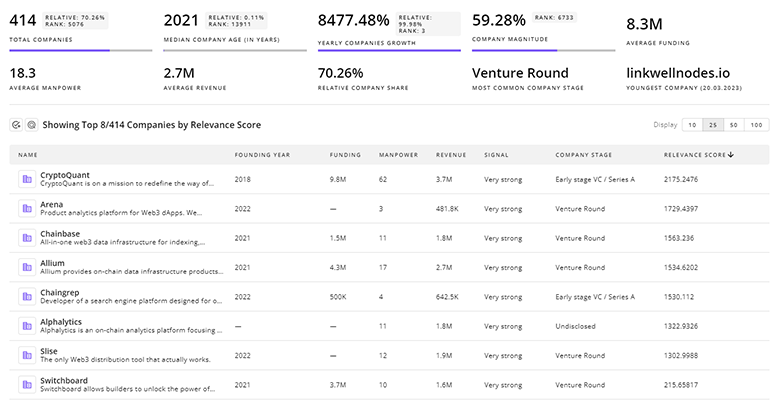
713 Sustainable Batteries Companies
Discover Sustainable Batteries Companies, their Funding, Manpower, Revenues, Stages, and much more
Sustainable Batteries Investors
TrendFeedr’s Investors tool provides an extensive overview of 1.0K Sustainable Batteries investors and their activities. By analyzing funding rounds and market trends, this tool equips you with the knowledge to make strategic investment decisions in the Sustainable Batteries sector.
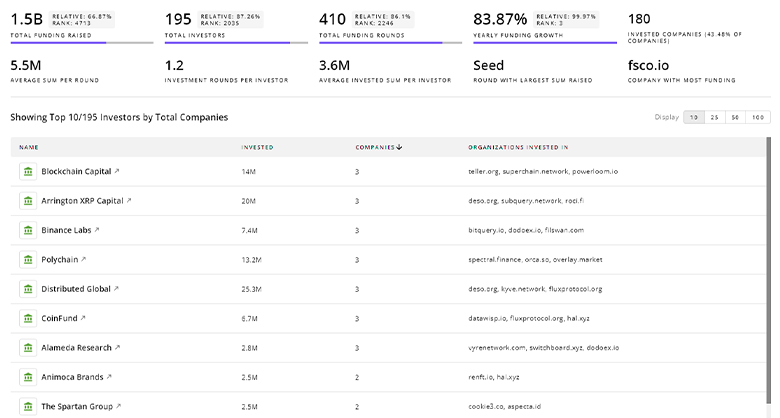
1.0K Sustainable Batteries Investors
Discover Sustainable Batteries Investors, Funding Rounds, Invested Amounts, and Funding Growth
Sustainable Batteries News
Explore the evolution and current state of Sustainable Batteries with TrendFeedr’s News feature. Access 379 Sustainable Batteries articles that provide comprehensive insights into market trends and technological advancements.
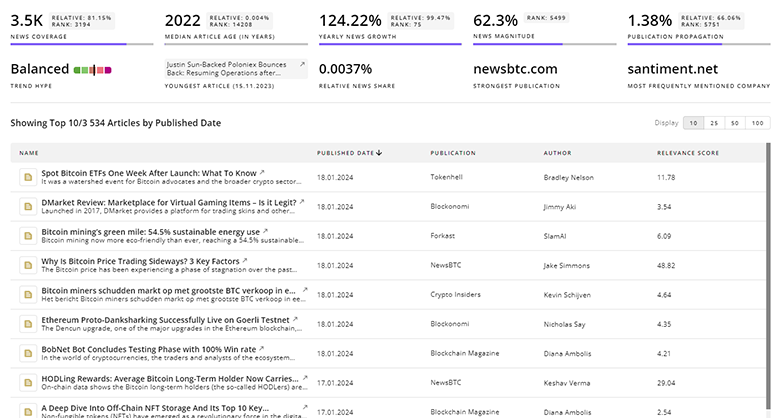
379 Sustainable Batteries News Articles
Discover Latest Sustainable Batteries Articles, News Magnitude, Publication Propagation, Yearly Growth, and Strongest Publications
Executive Summary
Sustainable batteries now require integrated strategies that combine material science with industrial logistics. Investors and operators should prioritize: securing high-quality recycled feedstock and direct-recycling partnerships; investing in process IP (dry-electrode, roll-to-roll, hydro-to-cathode) that compresses CapEx and energy intensity; and deploying digital asset controls to extract maximum lifetime value from packs. Companies that align commercial pilots with regulatory recycled-content and tracking regimes while anchoring supply via localized recycling or abundant-element chemistries will reduce exposure to raw-material price swings and capture margin as the market scales.
We're looking to collaborate with knowledgeable insiders to enhance our analysis of trends and tech. Join us!