
Virtual Care Report
: Analysis on the Market, Trends, and TechnologiesThe virtual care market is shifting into deep operational integration, with Market analysis reporting a market size of $7.1B in 2024 and a CAGR of 29.2%, indicating sustained investor and provider appetite for platform and workflow investments. Evidence from recent market studies shows demand drivers tied to clinician shortages and chronic-disease management, with U.S. projections at $8.83B (2024) and CAGR estimates above 32% across several forecasts, signaling a rapid commercial runway for solutions that reduce costs per patient while preserving clinical quality U.S. Virtual Care Market Size & Share | Industry Report, 2030. Platforms that combine continuity-focused engagement with AI-enabled triage, embedded RPM, and tight EHR integration will capture the lion’s share of reimbursed value under value-based contracts, while specialists and niche operators will monetize where high-acuity specificity or regulatory fit provides defensible margins
250 days ago, we last updated this report. Notice something that’s not right? Let’s fix it together.
Topic Dominance Index of Virtual Care
The Topic Dominance Index offers a holistic analysis of Virtual Care, merging data from 3 diverse sources: relevant published articles, newly founded companies, and global search metrics.
Key Activities and Applications
- Chronic-disease management and RPM: Continuous monitoring programs for diabetes, heart failure, and hypertension use connected devices and cellular-enabled sensors to drive early interventions and reduce readmissions, a primary revenue vector for payers and health systems Virtual Nursing Solutions Market By Component (Software/Platform, Services and Hardware).
- Virtual wards and hospital-at-home: Providers deploy virtual ward models to replace inpatient days with home-based monitoring and coordinated virtual services, delivering measurable cost-per-episode savings in pilot programs and expanding hospital capacity Virtual Care Intelligence Briefing: Maturation and Operationalization.
- Specialty virtual practices (cardiology, ophthalmology, women's health): High-value specialty workflows (e.g. remote cardiology reads, virtual ophthalmic exams) aggregate clinical value and command higher per-encounter reimbursement when tied to validated diagnostic quality
- Asynchronous, condition-specific care: Store-and-forward and structured e-visits for predefined conditions (UTI, dermatology triage, medication refills) lower unit costs and scale engagement; retention patterns show repeat users drive platform economics and patient lifetime value 2026 Virtual Care Horizons: The Year of EXPANSION – Wheel.
- Virtual nursing and observation: Centralized virtual nursing and e-sitter models reduce bedside administrative burden and fall risk while increasing effective clinical coverage across shifts CareView Communications.
Emergent Trends and Core Insights
- Retention-first commercialization: Usage analytics show 69% of visits are repeat interactions on many platforms, which means lifetime engagement and continuity metrics now outweigh pure acquisition KPIs for sustainable monetization
- Value-based reimbursement alignment: Payers and health systems increasingly pay for outcome measures (reduced readmissions, lower total cost of care), shifting procurement toward vendors that can prove ROI via CCM and RPM integrations
- AI moving into the care loop: Generative and predictive AI are being embedded into documentation, triage, and risk stratification workflows to reduce clinician time spent on nonclinical tasks and to trigger timely interventions Virtual Care in 2026 - Trends, Technologies, and What Providers Need to Know – DrChrono.
- Regulatory friction shapes geographic expansion: Cross-state licensure and inconsistent telehealth reimbursement remain the principal constraints on national scaling for U.S.-based virtual specialists; policy fixes or compacts will unlock larger addressable markets Doctors and patients are calling for more telehealth.
- Specialization over horizontal breadth: The most investable and defensible models concentrate on deep clinical workflows (cardiology, chronic cardiometabolic programs, virtual nursing) where measurable outcomes justify payer contracts and long-term partnerships
Technologies and Methodologies
- AI-powered triage and ambient documentation: Systems that convert visit audio/notes into structured clinical documentation and surface risk signals in real time reduce charting time and improve coding accuracy Andor Health.
- Remote Patient Monitoring (RPM) + cellular IoT: Clinical-grade, cellular-enabled devices ensure continuous telemetry without patient-managed Bluetooth pairing and support high-reliability chronic-care workflows Vironix Health.
- Augmented reality–guided physical exam kits: AR overlays and guided examination protocols extend specialist diagnostic ability into nonclinical settings and enable standardized virtual physical exams for cardiology and other specialties
- FHIR-first interoperability and Epic/EMR connectors: Bi-directional EHR integration is now a procurement requirement for health systems; platforms that write encounter data and RPM results directly into charts reduce friction for clinical adoption KeyCare.
- Virtual command centers and orchestration platforms: Centralized dashboards that combine triage, staffing, and clinical alerts into a single pane of glass enable scale for virtual wards, virtual nursing, and tele-ICU operations
Virtual Care Funding
A total of 877 Virtual Care companies have received funding.
Overall, Virtual Care companies have raised $82.3B.
Companies within the Virtual Care domain have secured capital from 4.1K funding rounds.
The chart shows the funding trendline of Virtual Care companies over the last 5 years
Virtual Care Companies
VPExam — VPExam provides AR-guided virtual cardiovascular exams and integrates device telemetry (stethoscope, ECG) with AI alerts to enable decentralized cardiology assessments; pilots report meaningful reductions in readmissions and mortality for heart failure cohorts, positioning the company as a niche remote-cardiology ingredient for health systems seeking cardiology-specific RPM workflows VPExam's device-agnostic approach lowers procurement barriers and fits into virtual ward and post-acute care models where in-home cardiovascular fidelity matters The company's outcomes-focused messaging makes it an attractive partner for specialist practices and cardiology service lines with value-based contracts.
CyberPatient — CyberPatient operates a 24/7 virtual training hospital that simulates hundreds of patient scenarios for clinical education and workforce readiness, addressing a persistent training gap in remote-care competence. The platform's pedagogical design and academic endorsements make it useful for hospitals that must scale clinician telehealth skills quickly and consistently, especially for virtual-ward and tele-ICU staff training. Because high-quality webside skills reduce adverse events, CyberPatient functions as both a safety tool and a credentialing accelerator for systems expanding virtual services.
VCTC — VCTC is a patient-centric clinical research site that runs decentralized and hybrid trials, lowering recruitment friction and improving diversity by bringing study services to participants' homes. Their operational model shortens timelines and raises retention by combining local clinical expertise with remote study infrastructure, which is especially valuable for sponsors adopting virtual trial methodologies. As pharmaceutical and medtech sponsors pursue virtual trial footprints, VCTC's patient-first enrollment and retention metrics make it a strategic partner for rapid DCT execution.
vitalera — vitalera offers an AI-driven remote care platform that predicts readmissions and health events using passive data capture and device-agnostic integration, with CE marking and compliance with HIPAA/GDPR for European deployments. The company emphasizes API-first interoperability to plug into payer and provider systems, which accelerates deployment for health systems focused on cardiology, oncology, and chronic respiratory programs. vitalera's regulatory posture and partnerships with academic centers strengthen its commercial case when clinical evidence and security certification drive procurement decisions.
Curavit — Curavit combines a CRO model with an AI-enabled virtual clinical site (STRATUS) to run decentralized clinical studies that reduce site burden and increase participant diversity while preserving regulatory-grade data capture. For sponsors looking to blend virtual care pathways with trial endpoints, Curavit offers operational scale and a tested digital infrastructure that shortens timelines and supports remote monitoring endpoints. Their model is particularly relevant for digital therapeutics and device trials that require continuous remote monitoring and adherence verification.
Stay connected with industry movements through TrendFeedr’s Companies tool, which covers 3.2K Virtual Care companies.
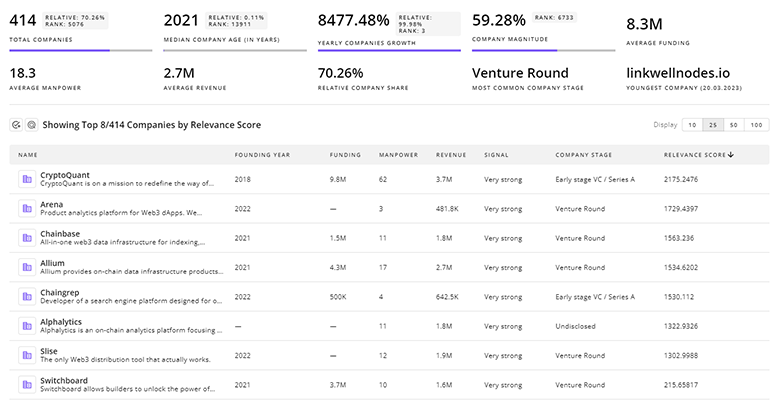
3.2K Virtual Care Companies
Discover Virtual Care Companies, their Funding, Manpower, Revenues, Stages, and much more
Virtual Care Investors
Discover investment patterns and trends with TrendFeedr’s Investors tool based on insights into 3.8K Virtual Care investors. This tool is essential for understanding the financial ecosystem of Virtual Care and developing successful investment strategies.
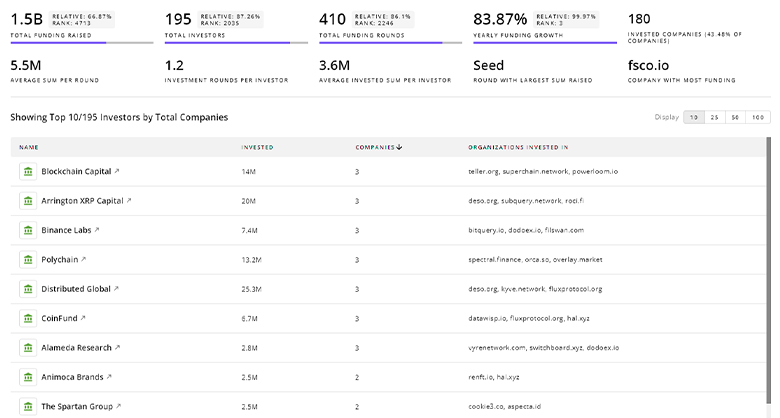
3.8K Virtual Care Investors
Discover Virtual Care Investors, Funding Rounds, Invested Amounts, and Funding Growth
Virtual Care News
TrendFeedr’s News feature grants you access to 7.1K Virtual Care articles. This tool supports professionals in tracking both past trends and current momentum in the industry.

7.1K Virtual Care News Articles
Discover Latest Virtual Care Articles, News Magnitude, Publication Propagation, Yearly Growth, and Strongest Publications
Executive Summary
Virtual care now competes on integrated clinical and operational value rather than simple access. Market-size evidence and adoption metrics point to rapid growth driven by chronic care needs, clinician shortages, and payer incentives that reward measurable outcomes. Strategic imperatives for market entrants and health systems are clear: (1) embed into existing EHR workflows to minimize operational friction, (2) concentrate on clinical domains where measurable outcome improvements justify payer contracting, and (3) invest in AI and RPM capabilities that demonstrably reduce clinician administrative load and patient risk. Organizations that align product design, regulatory strategy, and evidence generation around those three imperatives will convert short-term pilot wins into long-term, reimbursed virtual care revenue streams.
We're looking to collaborate with knowledgeable insiders to enhance our analysis of trends and tech. Join us!