Weight Loss Drug Report
: Analysis on the Market, Trends, and TechnologiesThe weight loss drug market is accelerating from access-led growth into a data- and outcomes-driven care layer: the market is estimated at $4,230,000,000 in 2025 with a 41.7% compound annual growth rate and a projected value of $17,080,000,000 by 2029. Recent population studies show significant penetration of GLP-1 therapies — roughly 12% of U.S. adults have tried a GLP-1 medication — which both validates demand and creates immediate operational strains (supply, reimbursement, safety surveillance) that will determine winners and losers Nearly 12 Percent of Americans Have Used GLP-1 Weight-Loss Drugs – RAND.
301 days ago, we last updated this report. Notice something that’s not right? Let’s fix it together.
Topic Dominance Index of Weight Loss Drug
To understand the relative impact of Weight Loss Drug relative to other known Trends and Technologies, our Dominance Index examines three correlated timelines: the volume of articles published, the number of companies founded, and the intensity of global search interest.
Key Activities and Applications
- Telemedicine-enabled GLP-1 prescription and fulfillment — Low-friction telehealth models prescribe and ship semaglutide and tirzepatide programs directly to consumers; these services scale rapidly but often rely on compounded supply and light clinical workflows, creating short-term revenue velocity with regulatory and quality risk .
- Integrated metabolic care platforms (medication + coaching + data) — Platforms combine GLP-1 therapy with behavioral coaching, nutrition and remote monitoring to lift retention and clinically meaningful outcomes; this hybrid model trades margin for longer-term payer value and improved adherence .
- Precision phenotyping and diagnostics for treatment selection — At-home and clinic-based biomarker panels are used to segment patients and guide choice and dosing of drugs versus procedural options, improving per-patient efficacy and pricing power .
- Endoscopic and minimally invasive procedural alternatives — Endobariatric procedures (for example, ESG and intragastric balloons) target durable results that, for selected patients, compete with lifelong drug therapy and relieve dependence on uncertain pharmaceutical supply chains .
- R&D on multi-agonists and muscle-sparing adjuncts — Drug development increasingly targets multi-receptor strategies (GIP/GLP-1 and triple agonists) and co-therapies that preserve lean mass, driven by efficacy ceilings and safety/tolerability constraints observed with first-generation GLP-1s .
Emergent Trends and Core Insights
- GLP-1 adoption is structural and fast — Prescription volumes for incretin agents have risen sharply over recent years; longitudinal dispensing data documents multi-fold growth in semaglutide and tirzepatide prescriptions since 2017, reflecting both diabetes and obesity indications Longitudinal Analysis of Obesity Drug Use and Public Awareness – JAMA Network Open .
- Demand-outstrips-access creates a two-speed market — High interest meets limited branded supply and uneven payer coverage, producing a bifurcated landscape of licensed-supply platforms and faster, risk-exposed compounding/fulfillment players .
- Clinical efficacy bar keeps rising — Next-generation molecules and combinations are delivering average weight losses that approach surgical outcomes in trials (top candidates report double-digit percentage reductions), forcing differentiation on tolerability and durability rather than simple weight delta Anti-Obesity Drugs Market Report 2025 .
- Outcomes and cost-of-care will determine strategic moats — Platforms that can demonstrate sustained cardiometabolic improvement and reduced total cost of care will secure payer relationships and long-term pricing leverage Weight Loss Drugs Market 2025: Detailed Insights into Market Size and Future Growth .
- Non-pharmaceutical alternatives form a credible demand hedge — Consumer appetite for non-drug options (procedures, nutraceuticals claiming GLP-1 signaling) creates parallel markets for those who reject chronic pharmacotherapy; this segment attracts investment in formulation, claims validation and digital engagement .
Technologies and Methodologies
- Real-world evidence and claims analytics now guide safety surveillance and label expansion decisions, because randomized trial signals alone no longer move markets at scale Drugs like Ozempic now make up 5% of prescriptions in the US .
- LLM and automated coaching increase per-clinician throughput for integrated programs while preserving longitudinal engagement metrics .
Weight Loss Drug Funding
A total of 101 Weight Loss Drug companies have received funding.
Overall, Weight Loss Drug companies have raised $14.9B.
Companies within the Weight Loss Drug domain have secured capital from 377 funding rounds.
The chart shows the funding trendline of Weight Loss Drug companies over the last 5 years
Weight Loss Drug Companies
- MD Exam Inc. — MD Exam Inc. provides GLP-1 programs combining medication, coaching and technology to deliver affordable, clinician-guided weight loss services; the company markets semaglutide and tirzepatide options via telehealth and emphasizes scalability through streamlined care pathways. MD Exam Inc. targets cost-sensitive segments that want clinician oversight without high clinic overhead.
- Phenomix Sciences — Phenomix Sciences commercializes a phenotyping platform (MyPhenome™) that links genetics, clinical and environmental data to predict weight-loss treatment response, positioning itself as a precision diagnostic upstream of drug prescription. The company’s thesis: better targeting reduces trial-and-error, improves outcomes, and justifies premium care.
- Bariendo — Bariendo operates a curated platform for endoscopic weight loss procedures (ESG, gastric balloons), matching patients to high-expertise providers and financing options to scale adoption of minimally invasive alternatives to chronic drug therapy. Their model reduces barriers to procedural access and captures follow-on monitoring revenue.
- SixPeaks Bio AG — SixPeaks Bio AG develops therapeutics that aim to preserve or expand skeletal muscle mass during fat loss, addressing a known side effect of rapid weight reduction and creating a complementary product class to GLP-1 regimens. The firm targets a clinical gap that becomes commercially salient as efficacy expectations rise.
- Luuze — Luuze focuses on behavioral feedback through trend-weight algorithms and light coaching; the product reduces churn by reframing weigh-ins and reinforcing micro-wins. Its low-cost digital component is an attractive acquisition target for larger platforms seeking adherence tools.
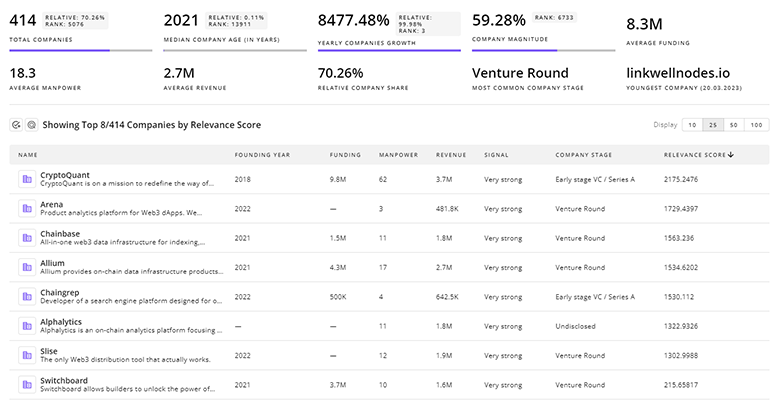
TrendFeedr’s Companies feature offers comprehensive insights into 679 Weight Loss Drug companies.
679 Weight Loss Drug Companies
Discover Weight Loss Drug Companies, their Funding, Manpower, Revenues, Stages, and much more
Weight Loss Drug Investors
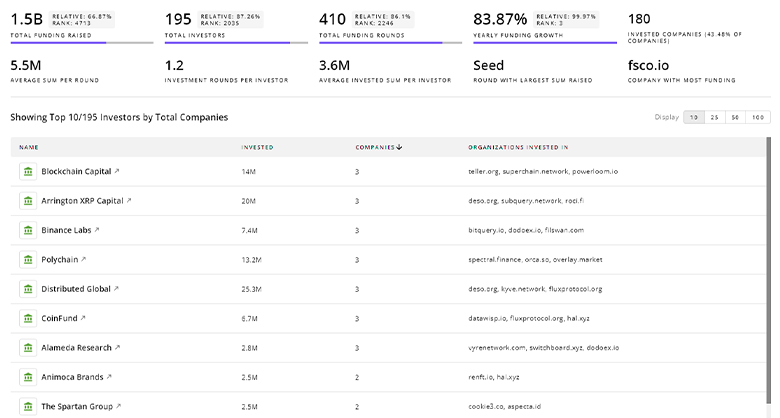
TrendFeedr’s Investors tool offers you a detailed perspective into 522 Weight Loss Drug investors and their funding activities. This information enables you to analyze investment trends and make informed decisions in the Weight Loss Drug market.
522 Weight Loss Drug Investors
Discover Weight Loss Drug Investors, Funding Rounds, Invested Amounts, and Funding Growth
Weight Loss Drug News
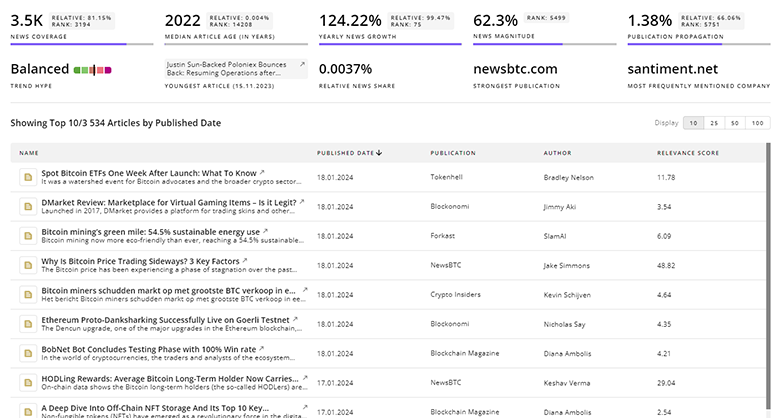
TrendFeedr’s News feature delivers access to 4.3K articles focused on Weight Loss Drug. Use this tool to stay informed about the latest market developments and historical context, which is crucial for strategic decision-making.
4.3K Weight Loss Drug News Articles
Discover Latest Weight Loss Drug Articles, News Magnitude, Publication Propagation, Yearly Growth, and Strongest Publications
Executive Summary
The weight loss drug ecosystem has moved from molecule novelty to systems competition: the largest near-term value resides with organizations that can bind clinical efficacy to durable, payor-grade outcomes and control end-to-end patient journeys (diagnostics, therapy selection, adherence, safety monitoring). Market projections show rapid expansion, but access constraints, pricing and safety surveillance will compress margins for simple fulfillment plays. Strategic priorities for investors and operators should be (1) securing validated supply and regulatory compliance, (2) integrating diagnostics to improve per-patient outcomes and pricing, and (3) building longitudinal data systems that enable payer contracts and outcome-based products. These moves convert high demand into defensible, long-term enterprise economics.
We're looking to collaborate with knowledgeable insiders to enhance our analysis of trends and tech. Join us!