Lithium Metal Report
: Analysis on the Market, Trends, and TechnologiesThe lithium metal market sits at a rapid inflection where supply constraints, higher-purity requirements, and cell-level innovation are driving outsized investor interest and near-term capital flows; the internal trend data records a 2022 market baseline of USD 4.30 billion and a projected 2032 market level of USD 13.50 billion, which frames strategic choices for producers and material innovators marketresearchfuture – 2025. Q1 2025 funding momentum (noted internally as a significant capital surge) is directing resources into Direct Lithium Extraction (DLE), electrochemical lithium production, and advanced anode/electrolyte technologies—creating a two-track market: resource and refining scale on one side and high-value anode/electrolyte engineering on the other thebusinessresearchcompany – 2025.
Our latest update of this report was 109 days ago. If you found a mistake or missing information, tell us!
Topic Dominance Index of Lithium Metal
The Topic Dominance Index evaluates Lithium Metal's significance by analyzing data on the distribution of news articles that mention Lithium Metal, the timeline of newly founded companies working in this sector, and global search trends
Key Activities and Applications
- Battery anodes for next-generation cells — development and supply of lithium metal in powder, ingot, wire and liquid forms for solid-state and anode-less architectures
- Direct Lithium Extraction (DLE) and low-emission refining — pilot and commercial DLE projects target brines and unconventional sources to cut water use and speed time-to-product Novalith Technologies CleanTech Lithium (AIM: CTL).
- Electrochemical deposition and roll-to-roll anode production — producing battery-ready lithium metal electrodes and prelithiation layers for cell manufacturers
- Recycling and closed-loop recovery — hydrometallurgical and thermal flowsheet projects reclaim lithium from black mass to reduce reliance on primary feedstock and provide high-purity material Redwood Materials.
- Aerospace, medical, and high-performance electronics — niche high-purity (6N–7N) lithium metal is being specified for weight- and energy-sensitive applications
Emergent Trends and Core Insights
- Purity is a price lever and a gate to specialty markets. Demand for 6N–7N lithium commands premium pricing and directly links to solid-state and aerospace adoption; producers that demonstrate consistent low-ppm impurity control will access the highest-value demand pools
- Two parallel commercialization tracks have formed: (1) scaling primary supply and low-carbon refining (DLE, CO2-assisted refining) and (2) cell-level material engineering (coatings, 3D anodes, advanced electrolytes). Investors fund both because each de-risking step increases accessible market size for lithium metal-based cells emergenresearch - 2025.
- Recycling will supply a meaningful fraction of future demand and shorten project lead times. Large recycling platforms and hydrometallurgical flowsheets target >90% recovery for key metals and provide secondary sources of high-grade lithium feedstock for manufacturers
- Geographic rebalancing is underway. Asia-Pacific retains manufacturing share, but North America and Europe attract DLE, refining, and recycling projects to reduce geopolitical exposure and secure OEM supply agreements marketresearch - 2024.
- Electrolyte and interface engineering are the functional performance gatekeepers. Cell teams that pair high-purity lithium metal with dendrite-suppressing interphases or compatible solid electrolytes reach practical cycle life first, determining which anode formats scale
Technologies and Methodologies
- Electrochemical deposition and roll-to-roll electrode production — enables battery-ready lithium layers and reduces thermal energy demand versus high-temperature metal processing
- Direct Lithium Extraction (DLE) variants — adsorption, selective membranes, and ion-exchange methods shorten brine processing time and lower water footprint compared with evaporation ponds
- Artificial solid electrolyte interphases (aSEI) and lithiophilic interlayers — surface chemistries that regulate plating morphology and suppress dendrites, crucial for cycle life in lithium-metal cells.
- Hydrometallurgical recycling and Hydro-to-Cathode® style routes — recovery of lithium and production of precursor cathode materials from black mass with lower GHG intensity Ascend Elements
- Halide, sulfide and polymer solid electrolytes plus interface engineering — combined with 3D structured anodes to manage contact resistance and mechanical stresses in solid-state cells
Lithium Metal Funding
A total of 86 Lithium Metal companies have received funding.
Overall, Lithium Metal companies have raised $7.9B.
Companies within the Lithium Metal domain have secured capital from 353 funding rounds.
The chart shows the funding trendline of Lithium Metal companies over the last 5 years
Lithium Metal Companies
- Pure Lithium Corporation — Pure Lithium develops Brine-to-Battery™ electrodeposition that produces battery-ready lithium metal, aiming to compress extraction and plating into a short, integrated flow. The company positions its technology to supply cell makers with on-demand, high-purity lithium metal and to shorten the supply chain between brine and electrode
- alpha-En Corporation (ALPE) — alpha-En focuses on room-temperature lithium metal production using a patent-pending low-energy process. Its goal is cost reduction and lower emissions for primary lithium metal manufacture, which targets producers that need foil or ingot feedstock without energy-intensive smelting
- Soelect Inc — Soelect develops LiX® dendrite-resistant anode architectures and solid electrolytes tailored for secondary cells. The firm emphasizes integration with solid-state stacks and offers engineering services to cell developers seeking practical plating/stripping stability
- SOLiTHOR — SOLiTHOR commercializes solid-state lithium technology in partnership with a major research institute, targeting transport applications that require high safety and energy density. The company focuses on pouch cell formats and modular production for aviation and maritime markets
- Nanoscale Components Inc. — Nanoscale provides roll-to-roll electrochemical prelithiation equipment enabling safe, scalable prelithiation for advanced anode materials and hybrid lithium metal architectures; that manufacturing focus makes it a materials-to-factory enabler rather than a pure R&D lab
(All company profiles cited from their firm profiles in the internal company data)
Explore comprehensive profiles of 224 companies shaping the future of Lithium Metal with TrendFeedr's Companies feature.
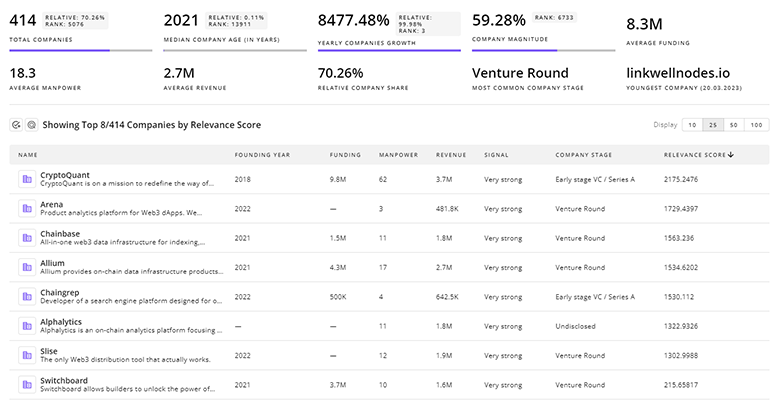
224 Lithium Metal Companies
Discover Lithium Metal Companies, their Funding, Manpower, Revenues, Stages, and much more
Lithium Metal Investors
TrendFeedr’s Investors tool allows you to explore detailed investment activities and trends based on 396 Lithium Metal investors. This tool provides an in-depth analysis of funding rounds and market dynamics to make informed investment decisions.
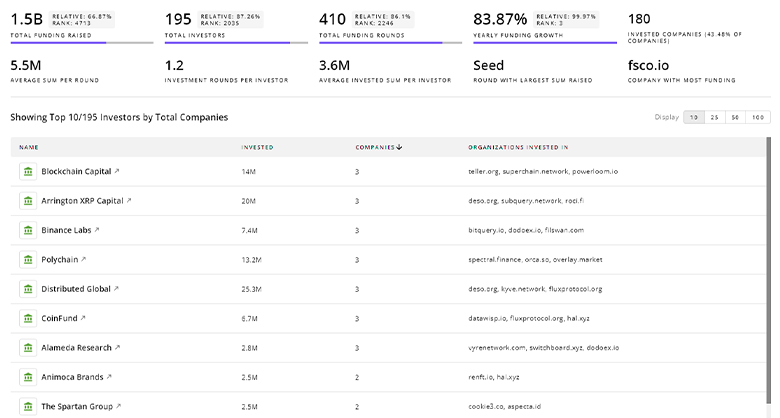
396 Lithium Metal Investors
Discover Lithium Metal Investors, Funding Rounds, Invested Amounts, and Funding Growth
Lithium Metal News
Stay updated with TrendFeedr’s News feature, which offers you access to 2.5K Lithium Metal articles. This tool provides you with a comprehensive understanding of the historical and current trends shaping the market.
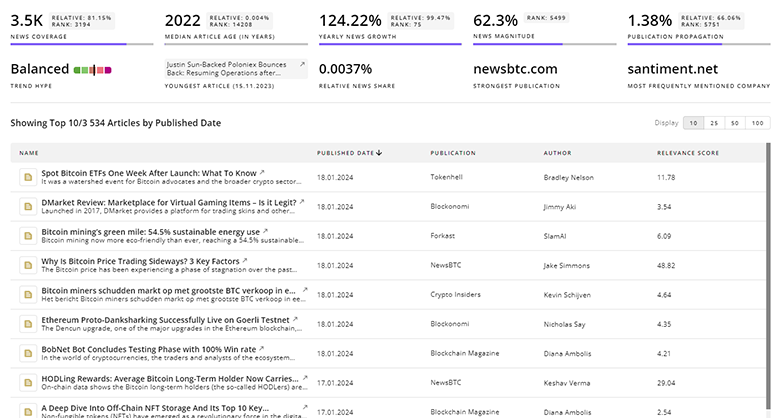
2.5K Lithium Metal News Articles
Discover Latest Lithium Metal Articles, News Magnitude, Publication Propagation, Yearly Growth, and Strongest Publications
Executive Summary
Lithium metal will be a central lever in the next cycle of battery competitiveness: firms that combine secure, lower-carbon feedstock (DLE and recycling) with proven processes to deliver 6N–7N purity and supply cell-grade electrodes will capture the most value. Investors will underwrite both upstream scale and downstream cell integration; the short list of durable winners will include companies that demonstrate consistent impurity control, validated cycle life in practical cells, and commercial-grade manufacturing throughput. For strategic players and OEMs, the immediate priorities are securing diversified high-purity supply, validating interface-engineered anodes at pilot scale, and locking offtake or recycling partnerships that shorten lead times and reduce raw-material exposure.
We’re keen to partner with subject matter experts to enrich our coverage. Think you can help? Let us know.