Lung Cancer Treatment Report
: Analysis on the Market, Trends, and TechnologiesThe lung cancer treatment market is at a decisive inflection: current market data records a global market size of $32,500,000,000 and a CAGR of 10.4%, with projections to reach $58,900,000,000 by 2030, indicating a sustained tilt toward precision-enabled care and earlier intervention. This growth combines expanding adoption of targeted therapies and immunotherapies, rising deployment of advanced diagnostics (LDCT and liquid biopsy), and steady device and delivery innovations that together compress time-to-treatment and raise per-patient lifetime value emergenresearch – Lung Cancer Market, 2025.
Our latest update of this report was 26 days ago. If you found a mistake or missing information, tell us!
Topic Dominance Index of Lung Cancer Treatment
The Topic Dominance Index evaluates Lung Cancer Treatment's significance by analyzing data on the distribution of news articles that mention Lung Cancer Treatment, the timeline of newly founded companies working in this sector, and global search trends
Key Activities and Applications
- Early detection scale-up (LDCT + liquid biopsy): Programs expanding LDCT screening and clinical validation of blood-based tests are shifting case-mix toward earlier-stage diagnoses, improving curative opportunities and increasing demand for minimally invasive interventions.
- Perioperative systemic therapy adoption: Immunotherapy and targeted agents increasingly move into neoadjuvant and adjuvant settings for resectable NSCLC, raising adjuvant treatment volumes and changing surgical pathways Targeted Therapy and Surgery for Resectable Lung Cancer.
- Biomarker-driven first-line selection: Broad genomic profiling (NGS panels) and ctDNA-guided decisions enable larger first-line targeted-therapy penetration (EGFR/ALK/KRAS/HER2/ROS1), materially altering prescribing patterns and payer assessments.
- Combination regimens to manage resistance: Clinical activity focuses on IO + targeted or IO + chemotherapy combinations to extend response durability and broaden eligibility; pipeline movement into bispecifics and ADCs targets residual unmet niches marketresearch - Lung Cancer Therapeutics, 2026.
- Minimally invasive local therapies for early lesions: Microwave ablation catheters and bronchoscopic ablative devices are being positioned as outpatient curative alternatives for selected early tumors, reducing surgical burden.
- Operational automation and decision support: AI-driven triage, radiomics, and treatment-planning automation reduce screening-to-treatment latency and improve resource utilization in high-volume screening programs Lunit.
Emergent Trends and Core Insights
- Precision-first economics: The field is re-prioritizing spend from late-line high-cost infrastructure to diagnostics and target-specific agents, as diagnostic influence on therapy selection increases.
- Immuno-combination acceleration: Immunotherapy combinations and next-generation immune modulators show the fastest clinical expansion, with multiple late-stage programs targeting SCLC and hard-to-treat NSCLC cohorts.
- Geographic growth divergence: Asia-Pacific records the highest growth rates and policy-driven screening expansion; a two-speed market emerges where APAC volume and North American per-unit revenue co-exist China Lung Cancer Therapeutics Market.
- Biosimilar and LOE pressure: Patent expiries on key PD-1/PD-L1 biologics create near-term pricing disruption and entry opportunities for biosimilars and next-gen biologics PD-1 NSCLC market.
- Diagnostics as the decision moat: Companies integrating multi-omic lab results, ctDNA dynamics, and imaging metadata form the highest switching-cost platforms for oncologists and payers Genecast.
- Commercial friction points: High per-patient therapy costs, workforce shortages in oncology/radiology, and limited screening access in LMICs remain principal adoption constraints.
Technologies and Methodologies
- Next-Generation Sequencing (NGS) and multi-omic profiling: Foundation for targeted allocation, detecting EGFR/ALK/ROS1/BRAF/KRAS and rarer drivers; essential for precision market capture.
- Liquid biopsy (ctDNA, miRNA panels): Serial, minimally invasive monitoring that informs local-versus-systemic strategy and early relapse detection.
- Bispecifics, ADCs and T-cell engagers: Emerging biologic architectures aimed at resistant tumors and SCLC targets (DLL3, amplified antigens) drive a new wave of late-stage programs.
- Minimally invasive ablation devices: Microwave ablation catheters and bronchoscopic tools for outpatient local control of early lesions reduce hospitalization and expand treatment access.
- AI-driven radiomics and treatment planning: Auto-contouring, nodule risk scoring, and workflow orchestration cut radiotherapy planning time and improve screening throughput Limbus AI.
- Genomic-informed radiotherapy: Platforms that tailor dose fractionation to tumor radiosensitivity metrics create marginal gains in local control and toxicity mitigation.
- Inhalation and localized delivery platforms: Aerosolized or intrapulmonary drug delivery aims to raise tumor drug concentration while lowering systemic toxicity for select agents.
Lung Cancer Treatment Funding
A total of 109 Lung Cancer Treatment companies have received funding.
Overall, Lung Cancer Treatment companies have raised $13.8B.
Companies within the Lung Cancer Treatment domain have secured capital from 447 funding rounds.
The chart shows the funding trendline of Lung Cancer Treatment companies over the last 5 years
Lung Cancer Treatment Companies
- LungLife AI — LungLife AI develops AI-enhanced liquid biopsy and diagnostic scoring to stratify indeterminate pulmonary nodules and reduce unnecessary invasive procedures. The company's approach integrates imaging features with circulating biomarkers to refine pre-test probability. This directly supports earlier-stage treatment pathways and improves screening program yield.
- HEPTA Medical — HEPTA Medical commercializes a microwave ablation catheter and associated control systems for percutaneous and endobronchial ablation of small lung tumors. The device addresses demand for minimally invasive curative options for patients unfit for surgery and aligns with the growing outpatient ablation application area.
- Quench Medical — Quench Medical focuses on inhalation therapeutics and aerosol platforms to deliver cytotoxic or targeted payloads directly to lung lesions, aiming to raise local drug concentration while lowering systemic toxicity; the firm has received a Phase II SBIR award to support development.
- Cvergenx — Cvergenx provides genomics-driven radiotherapy optimization tools that translate tumor genomic signatures into personalized radiation dose plans. Their platform targets improved therapeutic index for complex thoracic cases and supports multidisciplinary tumor boards in dose decisioning.
Explore comprehensive profiles of 460 companies shaping the future of Lung Cancer Treatment with TrendFeedr's Companies feature.
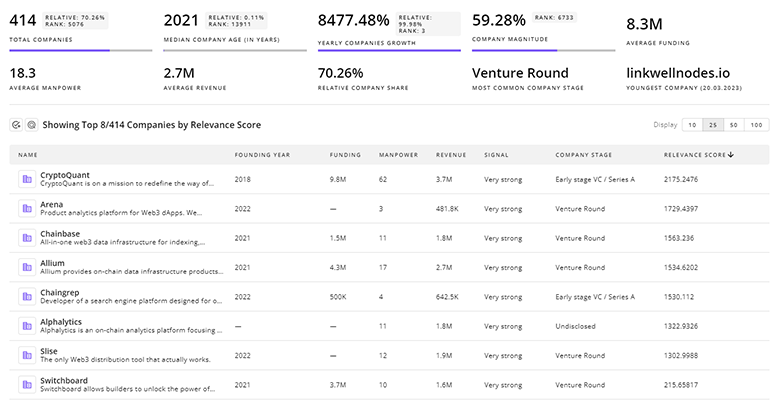
460 Lung Cancer Treatment Companies
Discover Lung Cancer Treatment Companies, their Funding, Manpower, Revenues, Stages, and much more
Lung Cancer Treatment Investors
TrendFeedr’s Investors tool allows you to explore detailed investment activities and trends based on 592 Lung Cancer Treatment investors. This tool provides an in-depth analysis of funding rounds and market dynamics to make informed investment decisions.
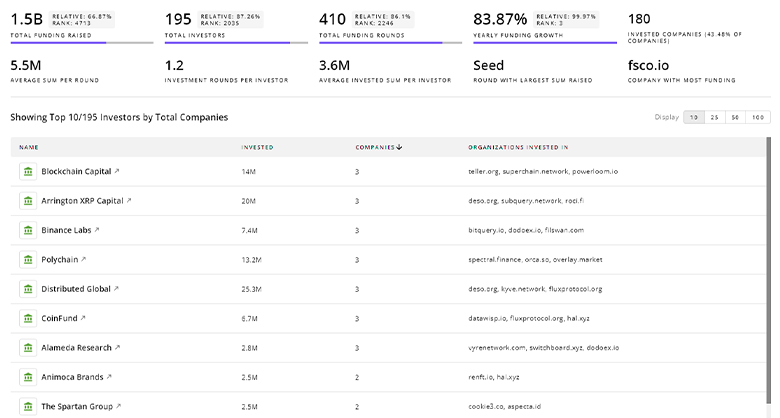
592 Lung Cancer Treatment Investors
Discover Lung Cancer Treatment Investors, Funding Rounds, Invested Amounts, and Funding Growth
Lung Cancer Treatment News
Stay updated with TrendFeedr’s News feature, which offers you access to 2.2K Lung Cancer Treatment articles. This tool provides you with a comprehensive understanding of the historical and current trends shaping the market.
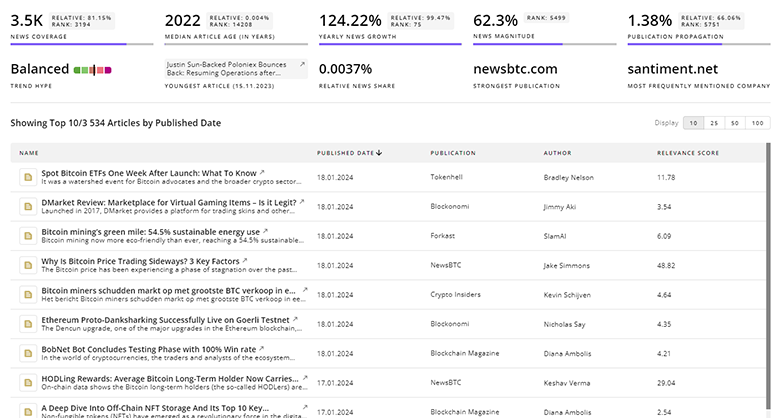
2.2K Lung Cancer Treatment News Articles
Discover Latest Lung Cancer Treatment Articles, News Magnitude, Publication Propagation, Yearly Growth, and Strongest Publications
Executive Summary
The lung cancer treatment landscape is shifting from a primarily infrastructure- and late-stage-treatment orientation to a dual agenda: expand early detection and build precision treatment pathways. Quantitative indicators — a $32.5B market base and double-digit annual growth — confirm commercial opportunity for actors who combine high-quality diagnostics, targeted therapeutics, and streamlined delivery models. For investors and operators, value will accrue to organizations that (1) embed diagnostic decisioning into the clinical pathway, (2) shorten screening-to-treatment timelines through AI and workflow automation, and (3) offer minimally invasive options that reduce cost and broaden patient eligibility. Strategic partnerships between diagnostic platforms, device innovators, and clinical networks will determine who captures the expanding, geographically differentiated demand over the next decade.
We’re keen to partner with subject matter experts to enrich our coverage. Think you can help? Let us know.