Medication Management Report
: Analysis on the Market, Trends, and TechnologiesThe medication management market sits at an inflection point: the internal trend analysis projects a 12.4% CAGR and a projected market size of USD 7.2 billion by 2031, signaling sustained commercial and clinical investment in systems that manage the full medication lifecycle. External market estimates vary by horizon and scope (shorter-term estimates place the market between USD 2.4–4.8 billion in the mid 2020s while long-range studies put multi-billion outcomes by 2030), reflecting differences in segmentation (adherence vs. full MMS), geographies, and inclusion of hardware vs software components Medication Management System Market 2025: Detailed Insights into Market Size and Future Growth.
We last updated this report 63 days ago. Tell us if you find something’s not quite right!
Topic Dominance Index of Medication Management
To gauge the impact of Medication Management, the Topic Dominance Index integrates time series data from three key sources: published articles, number of newly founded startups in the sector, and global search popularity.
Key Activities and Applications
- Electronic prescribing and CPOE implementations that reduce transcription and ordering errors; hospitals remain the largest adopters because CPOE integrates with inpatient workflows and order entry
- Clinical decision support (CDSS) at point of care to flag drug-drug interactions, dose problems, and guideline deviations; CDSS accounts for a leading share of software value and drives safety gains in hospitals and specialty clinics
- Automated dispensing, ADCs and robotic pharmacy automation for inventory control, secure controlled-substance handling, and faster retrieval at the point of care Medication Management System Market Report.
- Remote adherence monitoring and consumer-facing adherence services (smart dispensers, connected packaging and mobile reminders) that support home care and reduce readmissions; adherence solutions are a fast-growing subsegment with standalone ecosystems Global Medication Adherence Market.
- Inventory liquidity marketplaces and B2B exchange platforms that let pharmacies trade surplus stock, reducing waste and working capital pressure
Emergent Trends and Core Insights
- Multiple independent forecasts exist; reconcile them by scope. Short-horizon MMS market estimates (hardware + software) report steep mid-2020s growth (near-term 20% CAGR pockets for some segments), while longer-horizon analyses adopt 8–11% CAGR assumptions depending on included modules. This divergence matters for strategy: hardware sellers should prioritize near-term hospital deals; software platforms that sell SaaS should plan multi-year enterprise contracts Global Medication Management System Market.
- Shift from pure adherence reminders to regimen optimization and deprescribing workflows: payers and health systems now reward medication value (not just pill taking), prompting platforms to embed clinical analytics and pharmacist interventions that alter prescriptions rather than only monitor them.
- Cloud and interoperability govern buying decisions: cloud delivery rises because it lowers capital outlay and eases multi-site rollouts; FHIR/EHR integration is a gating factor for enterprise adoption
- Clinical alert fatigue and limited contextualization remain constraints for CDSS; successful products combine data-driven risk scoring with pharmacist triage to generate financially measurable outcomes
- Payers and PBM models face disruption by vertically integrated alternatives that combine procurement, specialty drug access, and analytics to reduce net drug spend; these integrated models change incentives for adherence and optimization tools Rescription.
Technologies and Methodologies
- Clinical Decision Support Systems (CDSS) that combine rule engines and ML models to prioritize and contextualize alerts for clinicians
- Automated dispensing systems and robotics used for secure dispensing, controlled substance reconciliation, and efficiency improvements at scale Medication Management Market.
- IoT + connected packaging (smart bottles, dispenser units) that create near-real-time adherence signals and allow caregiver notifications and programmatic interventions
- Inventory and supply-chain analytics, including secondary markets for surplus inventory, lower carrying costs and reduce waste; platforms that expose inventory liquidity provide measurable reductions in stock write-offs
- Secure cloud + FHIR APIs for EHR integration, enabling embedded CDS and closed-loop medication administration (order → dispense → eMAR)
Medication Management Funding
A total of 974 Medication Management companies have received funding.
Overall, Medication Management companies have raised $14.7B.
Companies within the Medication Management domain have secured capital from 2.1K funding rounds.
The chart shows the funding trendline of Medication Management companies over the last 5 years
Medication Management Companies
PillReady
PillReady builds monitored automated medication dispensers focused on seniors and home care; their product set pairs reminders with caregiver alerts and they report average client compliance of about 90% when used as intendedAnmi Solutions AB
Anmi delivers an app-based medication education and reminder platform that generates low-literacy, patient-friendly learning content and couples it with gamified reminders to increase engagement among chronically ill patients; the company targets improved day-to-day adherence through behavioral designRxPost
RxPost operates an inventory-management marketplace that lets independent pharmacies buy and sell surplus medication inventory in a DSCSA-compliant manner, reducing stock write-offs and improving pharmacy cash flow; the platform reports ability to cut drug-stock costs materially for participating pharmaciesJeriMed.ai
JeriMed.ai provides medication-optimization software for post-acute senior care, combining pharmaceutical data analysis with clinical context to reduce preventable hospitalizations and unnecessary pharmacy spend in geriatric settings; their product focuses on regimen optimization rather than only adherence monitoringHark Medical
Hark builds secure, connected dispensing devices (Sasha) for aged care and home care that distribute pharmacist-packed sachets on schedule and stream adherence telemetry to dashboards for clinicians and families, enabling real-time oversight and governance in institutional settings
Enhance your understanding of market leadership and innovation patterns in your business domain.
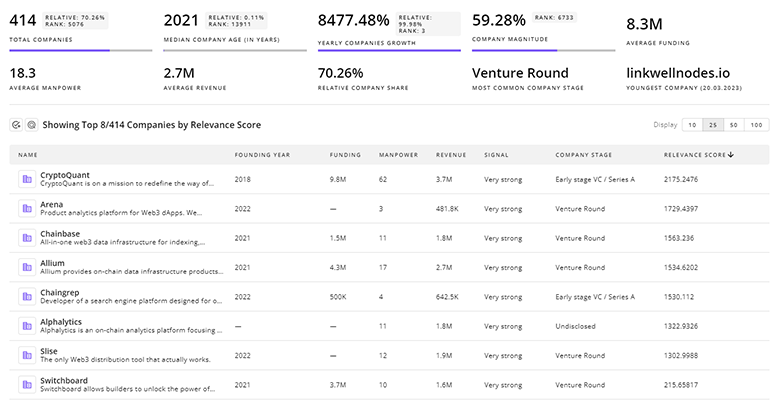
6.6K Medication Management Companies
Discover Medication Management Companies, their Funding, Manpower, Revenues, Stages, and much more
Medication Management Investors
TrendFeedr’s Investors tool offers comprehensive insights into 1.5K Medication Management investors by examining funding patterns and investment trends. This enables you to strategize effectively and identify opportunities in the Medication Management sector.
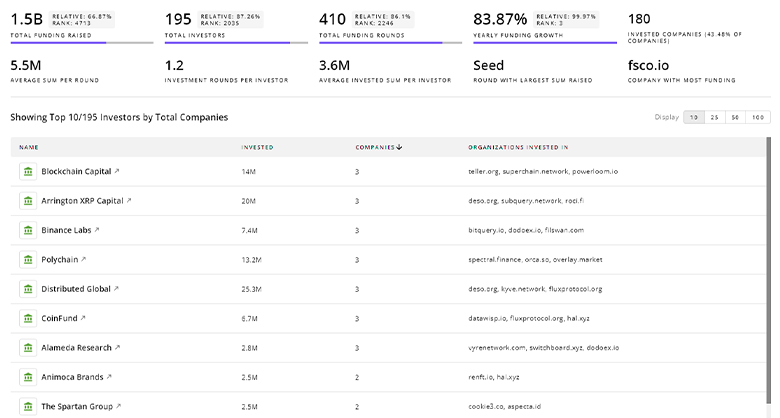
1.5K Medication Management Investors
Discover Medication Management Investors, Funding Rounds, Invested Amounts, and Funding Growth
Medication Management News
TrendFeedr’s News feature provides access to 2.7K Medication Management articles. This extensive database covers both historical and recent developments, enabling innovators and leaders to stay informed.
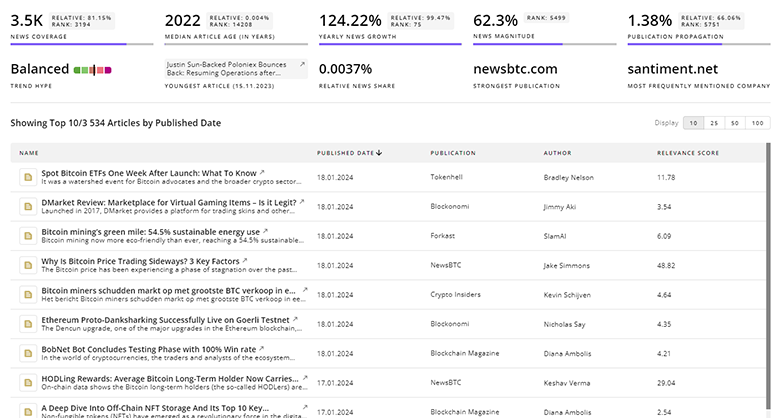
2.7K Medication Management News Articles
Discover Latest Medication Management Articles, News Magnitude, Publication Propagation, Yearly Growth, and Strongest Publications
Executive Summary
Investment and innovation in medication management now concentrate on linking clinical intelligence to the act of dispensing and on converting adherence signals into clinically meaningful interventions. Business models that generate measurable clinical or financial outcomes (reduced adverse events, fewer readmissions, lower specialty-drug spend, smaller inventory losses) command premium valuation and faster enterprise uptake. For buyers, integration (FHIR/EHR), demonstrable clinical impact (reduced ADEs or avoided hospitalizations), and clear total cost of ownership will determine procurement choices. For vendors, prioritize tight EHR integration, validated CDSS that reduces false positives, and partnerships with pharmacy networks or payers to create aligned commercial models.
We value collaboration with industry professionals to offer even better insights. Interested in contributing? Get in touch!