Plant Based Protein Report
: Analysis on the Market, Trends, and TechnologiesThe plant-based protein market is at a structural inflection where ingredient performance and supply-chain resilience determine winners: the sector reported a market size of $11,200,000,000 in 2023 and is projected to reach $23,100,000,000 by 2031, implying sustained double-digit expansion and a ~9.5% CAGR in core forecasts. Supplement markets and convenience formats amplify this momentum—the plant-based protein supplements segment alone is forecast to nearly double toward $5,939,400,000 by 2033, concentrated in powders, bars and RTD formats Plant Based Protein Supplements Market Size Report, 2033. Market dynamics now favor firms that solve functional gaps (texture, solubility, amino-acid completeness) and secure raw-material or fermentation platforms rather than companies that rely solely on branding.
The last time we updated this report was 244 days ago. If there’s something missing or off, your tips are welcome!
Topic Dominance Index of Plant Based Protein
The Dominance Index for Plant Based Protein merges timelines of published articles, newly founded companies, and global search data to provide a comprehensive perspective into the topic.
Key Activities and Applications
- Protein fortification of beverages and RTD formats — brands prioritize high-solubility isolates and neutral-flavor concentrates to deliver morning and on-the-go protein; this is the fastest growing product channel in supplements and functional drinks.
- Texturization for whole-cut and ground analogs — industry activity concentrates on high-moisture extrusion and shear-cell structuring to create fibrous muscle-like textures that support premium retail and foodservice use.
- Clean-label isolates and concentrates for bakery/snacks — formulators are integrating pea, chickpea and lentil isolates into bars, biscuits and bakery to raise protein per serving without heavy processing.
- Precision fermentation to replace functional dairy/egg proteins — activity centers on producing nature-equivalent proteins (casein, whey, albumen) for B2B ingredient supply, enabling dairy-like performance in cheese, ice cream and emulsions Onego Bio.
- Upcycling and low-cost feedstock conversion — converting sidestreams (okara, spent yeast, potato or broccoli biomass) into high-value protein inputs reduces feedstock cost and secures margin advantages for ingredient suppliers PLANETARIANS.
Emergent Trends and Core Insights
- Health and sensory performance outrank sustainability in purchase decisions in multiple mature markets; consumers now select plant-based proteins primarily for health, taste and convenience, requiring ingredient improvements that match animal-derived functional metrics.
- Ingredient diversification is accelerating: pea remains the workhorse but chickpea, fava, lentil, mushroom and microalgae are moving from niche to commercial adoption as formulators chase neutral taste or allergen advantages 2025 Plant-Based Protein Trends.
- Functionalization beats volumetrics: success metrics migrate from raw protein grams to digestibility (DIAAS), solubility, emulsification and binding—this changes procurement to a quality-first buying model for food manufacturers.
- Precision fermentation and mycoprotein scale-up create the highest strategic upside: companies delivering dairy/egg functional parity capture B2B pricing power and reduce exposure to crop volatility Insights on Alternative Proteins.
- Regionalization and supply-security strategies are shaping sourcing decisions as trade tensions and tariff actions push manufacturers to prefer local, traceable pea and pulse supplies (North America, Europe, India).
Technologies and Methodologies
- High-Moisture Extrusion and Shear-Cell Structuring — central for layered, fibrous textures required by whole-cut analogs; industrial scale-up remains a bottleneck for cost parity.
- Enzymatic modification and controlled hydrolysis — enzymes (including transglutaminase and selective proteases) are deployed to reduce off-flavors, improve solubility and tailor peptide profiles for digestibility.
- Precision fermentation (microbial expression) — used to create animal-identical or functionally equivalent proteins (e.g. whey, casein, albumen) with much lower land and water footprints than conventional routes Perfect Day.
- Mycelium and single-cell protein production — fungal biomass offers a fiber-rich, whole-ingredient route to meat-like textures and complete amino profiles at improving economics ENOUGH.
- Green extraction (ultrasound, PEF, DES, water-based membranes) — these methods lower solvent use and produce cleaner label isolates with better flavor and functionality, crucial for mainstream adoption.
Plant Based Protein Funding
A total of 1.0K Plant Based Protein companies have received funding.
Overall, Plant Based Protein companies have raised $88.9B.
Companies within the Plant Based Protein domain have secured capital from 4.2K funding rounds.
The chart shows the funding trendline of Plant Based Protein companies over the last 5 years
Plant Based Protein Companies
ChickP
ChickP commercializes a 90% chickpea protein isolate engineered for neutral flavor and high solubility, directly addressing the masking and off-note problem that limits many pulse proteins. Their technology shortens formulation effort for beverage and bakery manufacturers and reduces the need for flavor-masking additives, giving customers cleaner labels and simpler supply integration.Eighth Day Foods
Eighth Day Foods uses Rapid Solid-State Fermentation (RSSF) to convert whole seeds into ready-to-cook, whole-cut protein (LUPREME®), enabling low-processing, clean-label whole-cut formats for foodservice and B2B customers. Their approach targets affordability and shelf-stable formats, positioning them for institutional procurement and scaled foodservice partnerships.Sophie's BioNutrients
Sophie's BioNutrients develops high-protein microalgae grown in closed systems and fed on food-industry sidestreams to produce a ~60% protein biomass rich in essential amino acids. The model targets urban, near-market production to reduce transport emissions and offers a rapid growth cycle (3–10 days), which can materially improve regional protein security for manufacturers.UPP Freya
UPP Freya transforms brassica crop residues (broccoli waste) into hypoallergenic plant protein using a patent-filed harvesting and bioprocessing chain; their ML-enabled harvester addresses feedstock cost and seasonal availability, producing a low-cost, hypoallergenic protein input suitable for hybrid formulations and pet food markets.Meala Foodtech
Meala Foodtech supplies a single, naturally derived texturizing ingredient designed to replace eggs and hydrocolloids in savory and bakery products while keeping clean-label claims. Their focus on simple integration into existing lines speeds customer adoption and reduces CapEx friction for CPGs seeking immediate sensory upgrades.
Delve into the corporate landscape of Plant Based Protein with TrendFeedr’s Companies tool
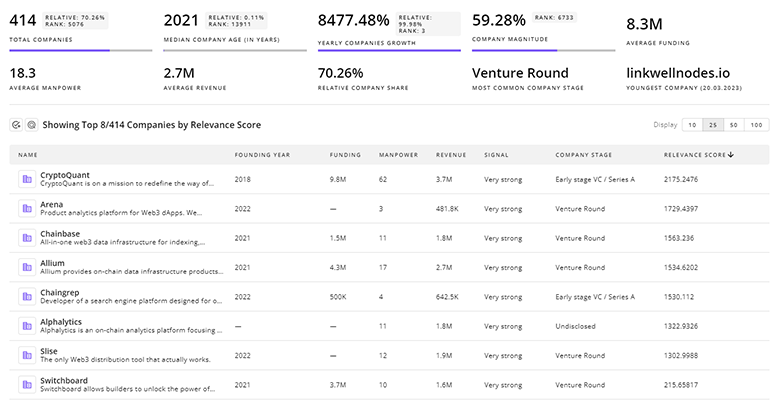
4.1K Plant Based Protein Companies
Discover Plant Based Protein Companies, their Funding, Manpower, Revenues, Stages, and much more
Plant Based Protein Investors
TrendFeedr’s Investors tool provides insights into 4.4K Plant Based Protein investors for you to keep ahead of the curve. This resource is critical for analyzing investment activities, funding trends, and market potential within the Plant Based Protein industry.
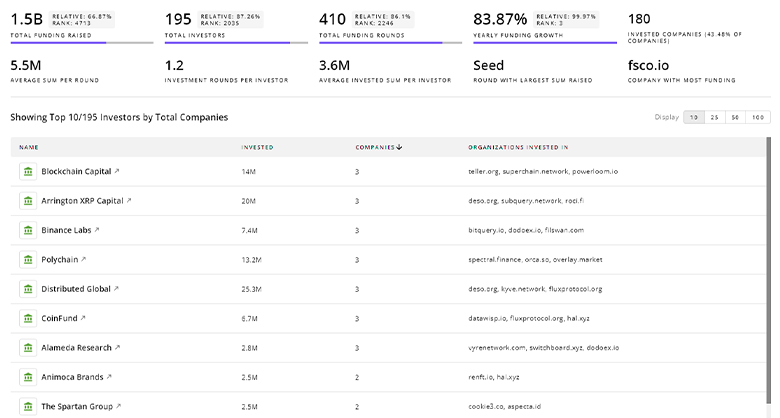
4.4K Plant Based Protein Investors
Discover Plant Based Protein Investors, Funding Rounds, Invested Amounts, and Funding Growth
Plant Based Protein News
TrendFeedr’s News feature offers you access to 7.7K articles on Plant Based Protein. Stay informed about the latest trends, technologies, and market shifts to enhance your strategic planning and decision-making.
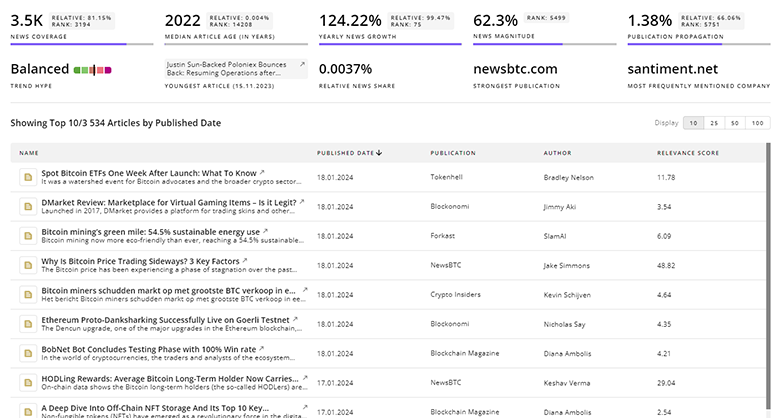
7.7K Plant Based Protein News Articles
Discover Latest Plant Based Protein Articles, News Magnitude, Publication Propagation, Yearly Growth, and Strongest Publications
Executive Summary
Investment and competitive value now concentrate at the ingredient layer: firms that deliver measurable functional gains (solubility, emulsification, digestibility), secure low-cost and traceable feedstock, or commercialize precision-fermented proteins will capture the bulk of margin expansion. Product companies will remain important for market exposure, but the most durable moats will be held by ingredient platforms that reduce formulation risk for large CPGs and foodservice chains. Strategic playbooks should prioritize (1) technology partnerships to accelerate functional parity, (2) feedstock diversification or off-take agreements to lock input economics, and (3) selective capacity investments that align with targeted B2B channels (beverages, RTD, bakery, and institutional foodservice) where repeat consumption and high formulation tolerance create the fastest route to scale.
Are you an insider in the trends or tech industry? We’d love for you to contribute to our content.