Rehabilitation Report
: Analysis on the Market, Trends, and TechnologiesThe rehabilitation market sits at a strategic inflection: despite a measured contraction in company formation, the equipment and services market already registers $16,700,000,000 in 2024 and is projected to reach $31,400,000,000 by 2034—a reflection of steady market monetization opportunities in device sales and integrated services. Demand concentrates on outpatient, home-based and neuro applications while technology adoption accelerates, producing clear commercial windows for companies that convert sensor data into verifiable outcomes.
This report was last revised 36 days ago. See a missing piece? Your input can help — contact us.
Topic Dominance Index of Rehabilitation
The Dominance Index for Rehabilitation delivers a multidimensional view by integrating data from three key viewpoints: published articles, companies founded, and global search trends
Key Activities and Applications
- Home-Based Rehabilitation (HBR): Scaling remote programs that preserve therapy dose after discharge, reducing readmissions and enabling longer adherence through remote monitoring.
- Telerehabilitation and Hybrid Outpatient Models: Delivering synchronous and asynchronous therapy (video sessions + guided exercise apps) to increase access and lower per-patient costs; software leads revenue within this segment.
- Neurological and Intensive Neurorehabilitation: High-intensity, data-rich programs for stroke, TBI and spinal cord injury that combine robotics, VR and multidisciplinary clinical teams to drive measurable functional gains.
- Musculoskeletal (MSK) Outpatient Therapy and Digital MSK Programs: Remote MSK platforms plus wearable motion capture for post-surgical and chronic pain management, targeting reduced opioid reliance and faster return to function.
- Vocational and Workplace Reintegration Services: Employer-facing programs that convert clinical outcomes into return-to-work metrics and lower claim durations, tying rehabilitation directly to measurable economic benefit (absenteeism reduction, productivity recovery).
- Complex Rehab Technology (CRT) & Mobility Solutions: Custom mobility devices and fitted aids for high-acuity patients where off-the-shelf solutions do not suffice; CRT maintains strong reimbursement value in selected payers Rehab Medical.
Emergent Trends and Core Insights
- Shift from asset ownership to outcome platforms: Payers and health systems favor measurable functional gains over visit counts; platforms that bind therapy dose to objective sensors and outcomes will capture reimbursement premium.
- Telerehabilitation is a rapid growth vector: the telerehab segment sits at $4,800,000,000 (2024) with projected CAGR 13.7% and a $10,300,000,000 endpoint by 2030, making remote delivery a primary route to volume and margin expansion.
- Robotics and Exoskeletons show strong funding momentum but remain capital-intensive; the rehabilitation robots market reports a near-term CAGR in the double digits for adoptive niches (gait, upper limb) and is moving toward lighter, wearable formats to enable home use.
- Data standardization and regulatory alignment are decisive: outcome reporting requirements and coverage-parity rules increase total addressable market and favor vendors with validated measurement frameworks (TIDieR-Rehab and outcome checklists gaining uptake) Reporting quality of rehabilitation interventions.
- Geography matters: North America leads in spend and scale, while Asia-Pacific posts faster adoption rates for digital and home models—making regional go-to-market strategy a primary determinant of growth trajectory databridgemarketresearch - Asia-Pacific Rehabilitation Therapy Services.
Technologies and Methodologies
- AI-driven Adaptive Therapy Engines: Algorithms that convert wearable and session data into individualized progressions and risk flags; integration with EMR/RTM improves reimbursement capture.
- Virtual Reality (VR) and Gamified Protocols: Immersive tasks that increase repetitions and engagement, especially effective in neuro and MSK pathways where motivation constrains dose.
- Soft Exosuits and Wearable Robotics: Lightweight, multi-degree freedom devices for gait and limb support that reduce clinical footprint and enable home deployment.
- Wearable Motion and Biometric Sensors: Low-friction motion capture (IMUs, EMG) feeding therapist dashboards and automated adherence scoring; these sensors create the objective data required for value-based contracts.
- Cloud Outcome Platforms and RTM (Remote Therapeutic Monitoring): Secure, standardized data repositories that translate therapy inputs into payer-grade outcomes and support regulatory compliance MyRehab Pro.
- Brain-Computer Interfaces (BCI) and Neurofeedback: Early adoption in stroke and severe motor impairment; BCI integration is present in academic pipelines and selective commercial pilots.
Rehabilitation Funding
A total of 10.2K Rehabilitation companies have received funding.
Overall, Rehabilitation companies have raised $204.5B.
Companies within the Rehabilitation domain have secured capital from 19.6K funding rounds.
The chart shows the funding trendline of Rehabilitation companies over the last 5 years
Rehabilitation Companies
- Rehabionics Healthcare Pvt Ltd — An Indian healthtech developer combining EMG, electrical muscle stimulation (EMS) and IoMT connectivity in portable devices to enable clinician monitoring and home-based adherence analytics; positioned to supply connected hardware to outpatient and telehealth providers.
- Digireha, Inc. — A Japan-based firm that merges sensors with interactive digital art and gamification to raise outpatient compliance; the product targets clinics and small facilities seeking low-friction engagement tools rather than high-capex robotics.
- Rehab Without Walls® Neuro Rehabilitation — A U.S. operator delivering intensive neurorehab programs in patients' homes, substituting institutional capital intensity with specialized clinical teams and outcome tracking to maintain margins on complex cases.
- Rehab Jigsaw Ltd — A UK occupational therapy–led service that supplies independent, specialist OT assessments for insurance and litigation workflows; their independence and clinical focus build trust where impartial assessments determine funding or adaptations.
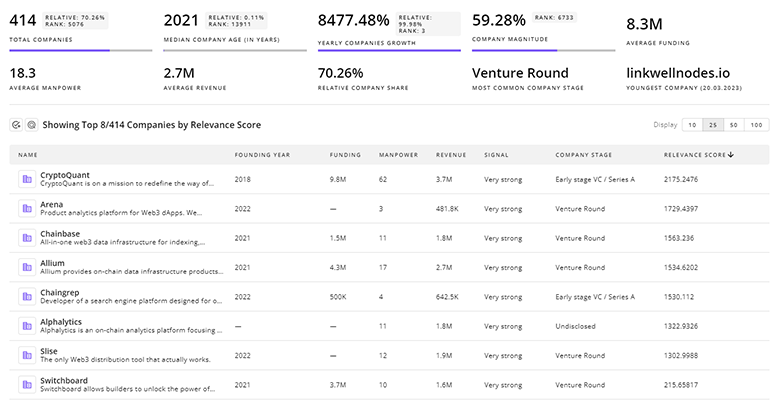
TrendFeedr's Companies feature is your gateway to 169.3K Rehabilitation companies.
169.3K Rehabilitation Companies
Discover Rehabilitation Companies, their Funding, Manpower, Revenues, Stages, and much more
Rehabilitation Investors
The Investors tool by TrendFeedr offers a detailed perspective on 13.4K Rehabilitation investors and their funding activities. Utilize this tool to dissect investment patterns and gain actionable insights into the financial landscape of Rehabilitation.
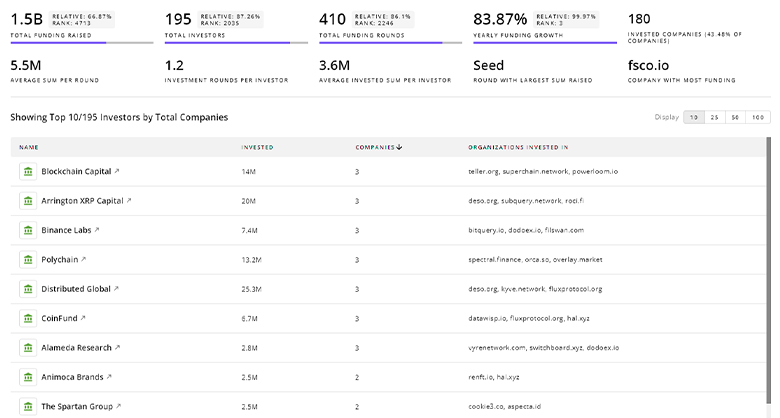
13.4K Rehabilitation Investors
Discover Rehabilitation Investors, Funding Rounds, Invested Amounts, and Funding Growth
Rehabilitation News
TrendFeedr’s News feature allows you to access 44.9K Rehabilitation articles as well as a detailed look at both historical trends and current market dynamics. This tool is essential for professionals seeking to stay ahead in a rapidly changing environment.
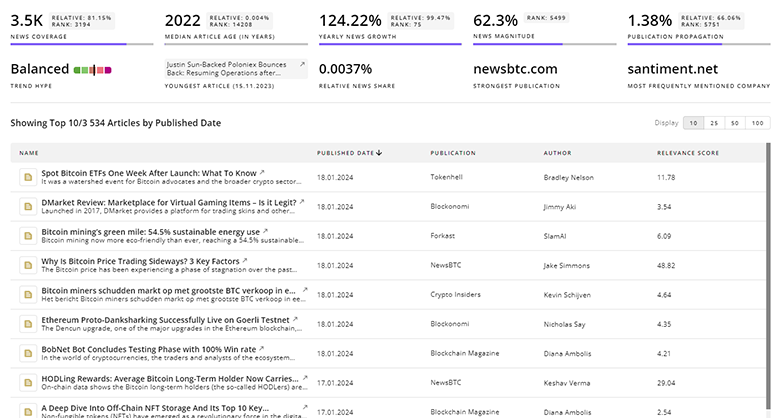
44.9K Rehabilitation News Articles
Discover Latest Rehabilitation Articles, News Magnitude, Publication Propagation, Yearly Growth, and Strongest Publications
Executive Summary
The rehabilitation market presents a clear incentive structure: technologies that generate verifiable, payer-acceptable outcome data win commercial traction. Investors and enterprise buyers should prioritize platforms that combine sensor fidelity, AI-based therapy progression, and clear links to economic endpoints such as return-to-work or reduced readmissions. Strategic plays that pair scalable telerehabilitation delivery (high growth, lower entry cost) with targeted capital investments in wearable robotics for clinical niches will yield balanced growth and defensibility. Health systems and vendors must align product validation with reimbursement pathways and regional regulatory environments to convert clinical efficacy into durable revenue.
Partner with us to offer cutting-edge insights into trends and tech. We welcome your input.