Smart Cleaning And Hygiene Report
: Analysis on the Market, Trends, and TechnologiesThe smart cleaning and hygiene market is maturing into a data-centric services sector with measurable scale: USD 40,250,000,000 market size projected for 2025, with a baseline growth trajectory of 4.59% CAGR and a longer-term forecast reaching USD 60,300,000,000 by 2034. Rapid adoption of AI navigation, IoT sensors, and enterprise hygiene verification is shifting buyer decisions from equipment features to verifiable outcomes and recurring service contracts, a transition visible across healthcare, large commercial facilities, and smart-city pilots Smart Cleaning and Hygiene Market.
52 days ago, we last updated this report. Notice something that’s not right? Let’s fix it together.
Topic Dominance Index of Smart Cleaning And Hygiene
To gauge the influence of Smart Cleaning And Hygiene within the technological landscape, the Dominance Index analyzes trends from published articles, newly established companies, and global search activity
Key Activities and Applications
- Autonomous floor and surface cleaning deployed across offices, airports, and hospitals; vendors combine mapping, scheduled cycles, and self-servicing docks to replace repetitive human tasks.
- Hygiene verification and compliance reporting using simple, auditable tests and digital logs that convert cleaning activity into contractable performance metrics.
- Touchless and connected washroom systems that measure use, dispense resources precisely, and queue maintenance events to prevent stockouts and complaints.
- Targeted UVC and enclosed device decontamination for shared consumer electronics and medical devices where chemical use is impractical.
- Green, high-performance cleaning chemistries and dosing automation that reduce water, solvent, and VOC footprints while preserving pathogen control in food and pharmaceutical environments.
Emergent Trends and Core Insights
- From tasks to proof: Operators demand auditable evidence of hygiene (swab tests, sensor logs, disinfectant dosing records) rather than visual confirmation; procurement increasingly prizes outcome SLAs over device specs.
- Ingredient-level moats: Hardware that delivers unique physical capability (self-sanitizing fixtures, validated UVC chambers, proprietary chemistries) becomes defensible IP and a partner plug-in to platform providers.
- Service monetization is shifting: subscription, RaaS (Robots-as-a-Service), and verification-backed contracts replace one-off device sales as the preferred route to recurring revenue Cleaning Service Software Market 2025.
- APAC scaling economics: North America leads today, but Asia-Pacific shows the fastest adoption potential as smart-city and cost-sensitive OEMs push lower-cost automated solutions for dense urban environments Global Cleaning Robot – Market Share Analysis.
- Hygiene plus sustainability: buyers require demonstrable reductions in water, chemical use, and waste; green chemistries and precision dosing now win procurement panels in regulated sectors.
Technologies and Methodologies
- LiDAR / VSLAM navigation and AI route optimisation for reliable coverage and energy efficiency in cluttered environments.
- IoT sensors and edge analytics that detect fill levels, air quality, and surface contamination to trigger cleaning events and feed facility dashboards.
- UVC LED and enclosed LED sterilizers that enable rapid, chemical-free decontamination of personal devices and shared equipment.
- Electrochemical and enzyme-based green chemistries plus automated dosing systems that minimize worker exposure and material waste while meeting regulatory disinfectant performance.
- Automated verification methods (color-change swabs, ATP alternatives, digital logs) integrated with compliance workflows so cleaning becomes measurable and auditable.
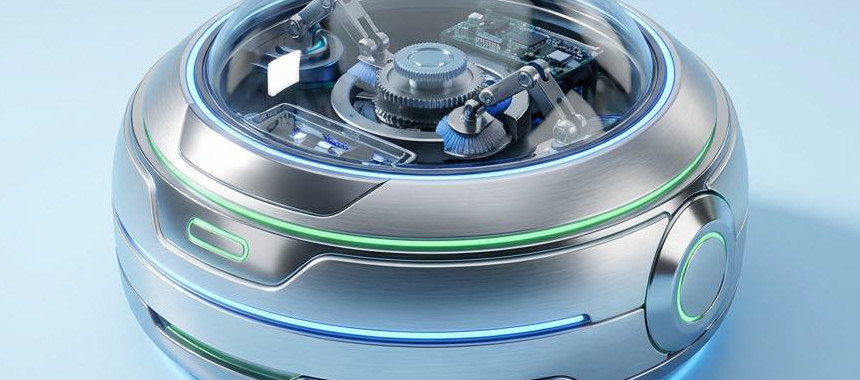
- Robotics + base-station intelligence where docks not only recharge but perform component sanitation, waste handling, and lifecycle diagnostics to reduce service overhead.
Smart Cleaning And Hygiene Funding
A total of 236 Smart Cleaning And Hygiene companies have received funding.
Overall, Smart Cleaning And Hygiene companies have raised $15.1B.
Companies within the Smart Cleaning And Hygiene domain have secured capital from 871 funding rounds.
The chart shows the funding trendline of Smart Cleaning And Hygiene companies over the last 5 years
Smart Cleaning And Hygiene Companies
- Mero — Mero offers a sensor and analytics platform that converts janitorial activity into measurable productivity and quality metrics; it is installed across 100 million square feet and integrates scheduling, cleaner tracking, and outcome reporting to help janitorial firms win contracts and prove SLAs. Mero focuses on operational KPIs that shift buying decisions toward verified performance rather than device count, positioning the company as a facilities-grade operations layer.
- Fresh Check — Fresh Check manufactures color-change swabs and a hygiene verification system that makes contamination visible and auditable for food production and hospitality buyers; the product is NSF-verified for food contact and paired with software for trend tracking. Its low-complexity test format targets high-frequency verification use cases where rapid, documented evidence matters most.
- SMIXIN — SMIXIN develops connected, fully automatic handwashing stations that reduce water and soap per wash while producing anonymized usage and compliance data; academic partnerships support its public-space pilots and behavior-change programs. The company targets environments with high throughput—airports, schools, hospitals—where measurable hand hygiene and resource savings are procurement priorities.
- Cleanbox Technology — Cleanbox Technology builds UVC LED decontamination cabinets for shared consumer electronics and medical accessories, delivering hospital-grade sanitation without chemicals or heat; its systems support quick turnarounds and repeatable validation suitable for clinical and hospitality deployments. The product removes a recurring consumables cost and simplifies device turnover workflows.
- CleanMotion — CleanMotion produces a self-disinfecting door handle that actively reduces surface contamination after each use through patented mechanical dosing technology, targeting high-traffic access points. The hardware embeds continuous hygiene into existing infrastructure and appeals to buyers seeking passive infection control measures that do not rely on user behaviour or frequent manual intervention.
Get detailed analytics and profiles on 2.0K companies driving change in Smart Cleaning And Hygiene, enabling you to make informed strategic decisions.
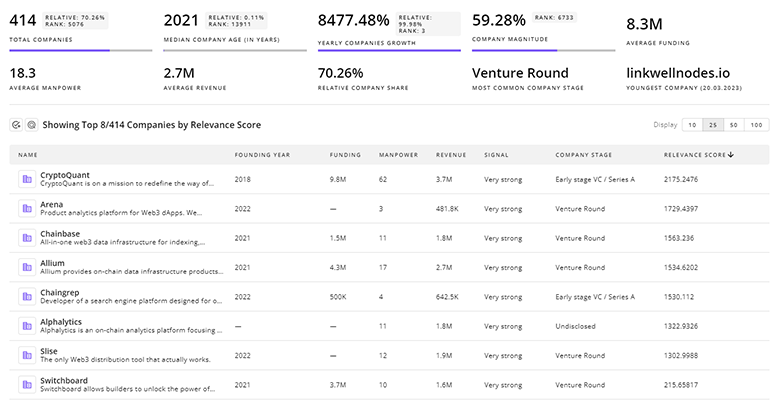
2.0K Smart Cleaning And Hygiene Companies
Discover Smart Cleaning And Hygiene Companies, their Funding, Manpower, Revenues, Stages, and much more
Smart Cleaning And Hygiene Investors
TrendFeedr’s Investors tool provides an extensive overview of 1.1K Smart Cleaning And Hygiene investors and their activities. By analyzing funding rounds and market trends, this tool equips you with the knowledge to make strategic investment decisions in the Smart Cleaning And Hygiene sector.
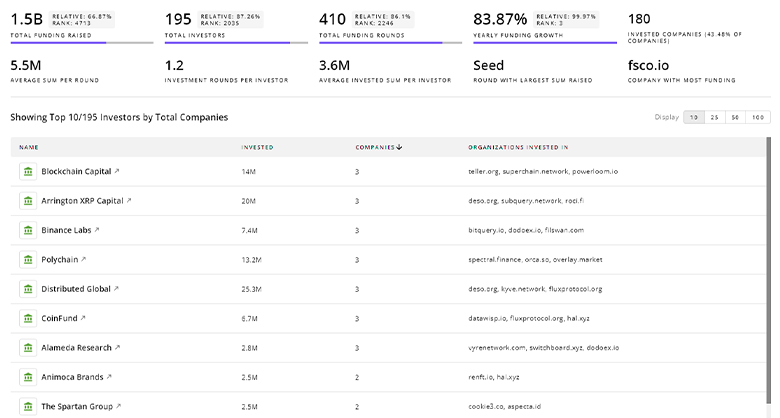
1.1K Smart Cleaning And Hygiene Investors
Discover Smart Cleaning And Hygiene Investors, Funding Rounds, Invested Amounts, and Funding Growth
Smart Cleaning And Hygiene News
Explore the evolution and current state of Smart Cleaning And Hygiene with TrendFeedr’s News feature. Access 1.1K Smart Cleaning And Hygiene articles that provide comprehensive insights into market trends and technological advancements.
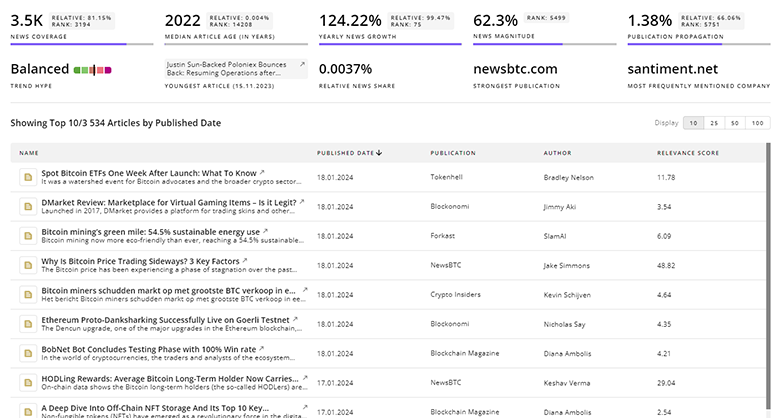
1.1K Smart Cleaning And Hygiene News Articles
Discover Latest Smart Cleaning And Hygiene Articles, News Magnitude, Publication Propagation, Yearly Growth, and Strongest Publications
Executive Summary
The smart cleaning and hygiene market is evolving into an outcomes market where data and verifiable hygiene metrics command price premiums and recurring revenue. Vendors that combine measurable hygiene impact, lower resource intensity, and seamless integration with facility operations will capture the highest lifetime value; hardware innovations that solve hard physical problems will remain indispensable and tradeable as platform plug-ins. Investors and procurement teams should prioritise solutions that: 1) demonstrably reduce infection risk or compliance burden, 2) convert activity into auditable KPIs, and 3) lower operating cost per hygienic outcome through green chemistries or automated servicing. These three attributes determine which firms will scale as platforms and which will remain strategic ingredient suppliers.
We're looking to collaborate with knowledgeable insiders to enhance our analysis of trends and tech. Join us!