Architecture Report
: Analysis on the Market, Trends, and TechnologiesThe architecture sector shows measured expansion but clear structural change: the internal architecture trend report records a Market CAGR of 2.0%, while patent activity and software demand concentrate value in digitally enabled workflows, shifting margin capture from time-based services to platform and subscription models. This means firms that convert one-off design engagements into recurring digital products (design automation, BIM/digital-twin subscriptions, performance analytics) will extract disproportionate long-term value, whereas traditional project-fee practices face margin pressure and client price sensitivity as commoditization increases.
This report was last updated 103 days ago. Spot an error or missing detail? Help us fix it by getting in touch!
Topic Dominance Index of Architecture
To identify the Dominance Index of Architecture in the Trend and Technology ecosystem, we look at 3 different time series: the timeline of published articles, founded companies, and global search.
Key Activities and Applications
Integrated generative design for rapid feasibility and massing studies, replacing early manual schematic iterations and compressing lead time and cost per concept MarketResearchFuture - Architecture Design Software Market.
So what: shortening schematic cycles shifts project capture to firms that own pre-design analytics and strengthens their bargaining position with clients on scope and fees.
BIM + digital-twin deployment to convert design deliverables into lifecycle services (energy monitoring, maintenance analytics), turning one-time projects into subscription revenue streams.
So what: recurring analytics contracts reduce revenue volatility and raise lifetime client value; firms that master model-to-operation handoffs will capture aftermarket revenue.
Sustainable and performance-led design practices (embodied carbon, energy modeling, Passive House/LEED targets) embedded in the early design loop.
So what: sustainability becomes a commercial differentiator tied to specific funding streams and procurement criteria, enabling price premiums and access to public/institutional projects.
Modular prefabrication and mass-timber system design linked to off-site assembly workflows, reducing onsite labor and schedule risk.
So what: design teams that provide producible modular systems shorten construction cycles and internalize value across design and supply chain.
Adaptive reuse and conservation architecture for constrained urban markets—technical retrofitting, regulatory navigation, and heritage compliance as specialized service lines MarketResearch.com - Architectural Services.
So what: these niches provide steady work where new construction slows; expertise in retrofit performance modeling can be monetized.
Emergent Trends and Core Insights
Digital platform bifurcation: clear split between digital enablers (platforms/AI SaaS) and boutique practices; value migrating to firms that productize workflows into repeatable, scalable software TheBusinessResearchCompany - Architecture Design Software Market 2025.
So what: capital and multiples favor software-first firms; service firms must choose to partner, be acquired, or specialize to survive.
Software markets expanding faster than overall service growth: architecture design/visualization software exhibits high CAGR projections (varies by source; see table below) and is driving recurring-revenue expectations across the industry MarketResearchFuture - Architecture Software Market.
So what: technology procurement decisions will determine firm competitiveness within 3 years.
Regional divergence: Asia-Pacific leads adoption and patent activity (fastest CAGR for demand), North America shows strong software monetization and construction pipeline, UK shows short-term demand softness tied to macro variables StartUs Insights Mordor Intelligence RIBA Economic Insights.
So what: market entry and scaling strategies should be region-specific—platform rollouts favor North America/APAC; high-end bespoke offerings remain viable in constrained European markets.
Patent and IP concentration in digital design and modular assembly (over 52k patents in the topic, strong recent growth), signaling maturation in software-to-construction integration.
So what: firms must capture IP around design optimization and producible component libraries to create defensible moats.
Visualization and immersive tools (VR/AR) are now procurement requirements for larger public projects; they accelerate stakeholder approval and reduce change orders.
So what: firms that integrate immersive review into procurement win faster client buy-in and lower delivery risk.
Technologies and Methodologies
Generative AI + parametric modeling for programmatic massing, zoning compliance checks, and multi-objective optimization (energy, daylight, cost).
Business impact: reduces concept cost and enables higher volume of feasible options per client engagement.
BIM → digital-twin pipelines that persist into O&M (IoT feed integration, analytics dashboards, performance SLAs).
Business impact: creates aftermarket income and aligns architects with owners' long-term performance objectives.
Cloud collaboration, 4D scheduling and 5D cost estimation embedded in model workflows to reduce clashes and accelerate procurement M.Arch Architects — 4D/5D mention One-Off Global Market Insights Software report.
Business impact: measurable reduction in RFI rates and schedule overruns; allows fee models tied to risk sharing.
Prefab and mass-customization techniques (digital fabrication, CNC, robotic masonry) connected to design data and assembly sequencing.
Business impact: lower onsite labor costs, faster turnover, potential for productized typologies.
Sustainability analytics (embodied carbon calculators, life-cycle energy simulation) integrated into early design and contract KPIs Grandview Research.
Business impact: access to public incentives, reduced operational costs for clients, and stronger project marketability.
Architecture Funding
A total of 11.2K Architecture companies have received funding.
Overall, Architecture companies have raised $266.0B.
Companies within the Architecture domain have secured capital from 22.7K funding rounds.
The chart shows the funding trendline of Architecture companies over the last 5 years
Architecture Companies
ARCHITEChTURES — A Spanish-based SaaS platform that uses generative AI to accelerate building design, claiming dramatic reductions in design time through automated generation of BIM-ready models; the company is positioned as a digital enabler that transforms pre-design into a scalable productized flow, supported by Series funding and EU R&D grants.
- Why this matters: if their claim of compressing design time is realized at scale, they represent the type that redefines billable units and captures volume work as subscription revenue.
Architensions — Research-led studio operating between New York and Rome; focuses on experimental typologies and collective living research, producing design research outputs that feed academic and civic innovation projects while testing alternative housing models.
- Why this matters: they exemplify firms that convert intellectual capital and research into high-value consultancies and partnership opportunities with public and cultural clients.
BerSabArc Design Studio — Young practice emphasizing BIM, parametric workflows, 3D visualization, and VR simulation; the studio uses computational methods to support rapid iteration and stakeholder engagement in the Philippines market.
- Why this matters: they illustrate the near-term commercial path for small firms to adopt generative and parametric toolchains and offer packaged digital deliverables.
Assembledge+ — Los Angeles studio blending craftsmanship and materiality with technology; delivers high-end residential and commercial work while integrating sustainability strategies and client-facing visualization workflows.
- Why this matters: they show the boutique survival route—premium emotional design married to technological execution for reduced delivery risk.
Cybertecture — Hong Kong firm that combines architecture, masterplanning and technological consulting; the practice partners on technology-driven projects and signals cross-border R&D capability in advanced delivery models.
- Why this matters: their global project scope and tech partnerships exemplify how geographically dispersed R&D can support large program delivery and platform adoption.
Identify and analyze 213.2K innovators and key players in Architecture more easily with this feature.
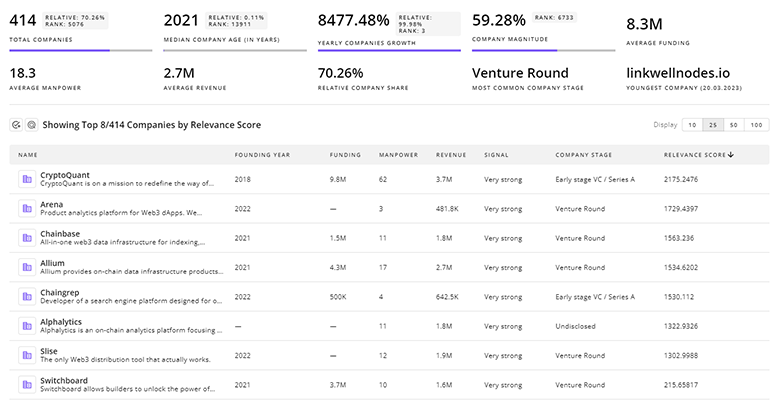
213.2K Architecture Companies
Discover Architecture Companies, their Funding, Manpower, Revenues, Stages, and much more
Architecture Investors
TrendFeedr’s investors tool offers a detailed view of investment activities that align with specific trends and technologies. This tool features comprehensive data on 20.3K Architecture investors, funding rounds, and investment trends, providing an overview of market dynamics.
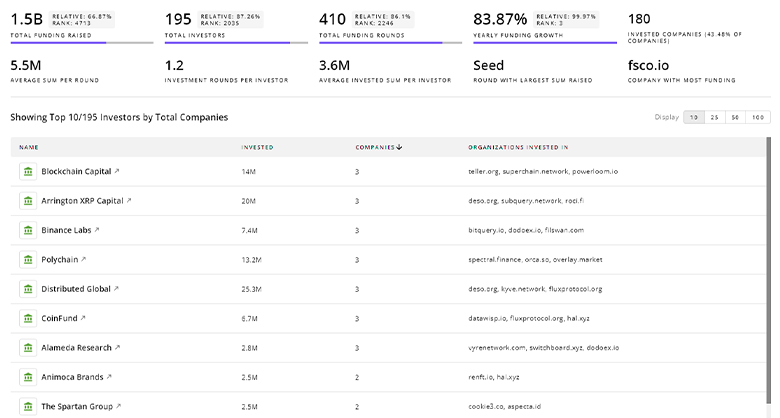
20.3K Architecture Investors
Discover Architecture Investors, Funding Rounds, Invested Amounts, and Funding Growth
Architecture News
Stay informed and ahead of the curve with TrendFeedr’s News feature, which provides access to 151.7K Architecture articles. The tool is tailored for professionals seeking to understand the historical trajectory and current momentum of changing market trends.
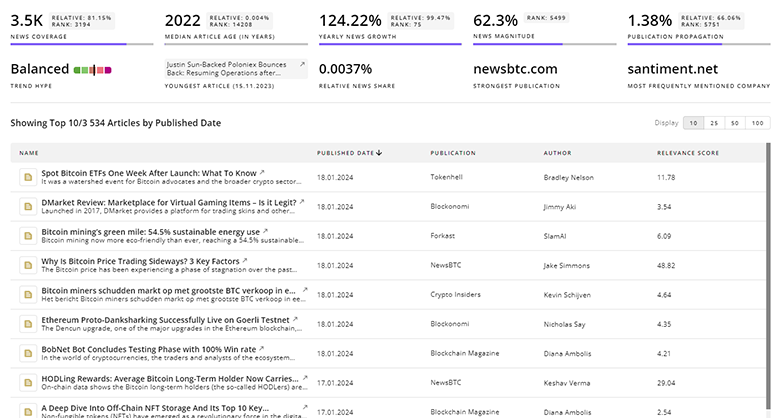
151.7K Architecture News Articles
Discover Latest Architecture Articles, News Magnitude, Publication Propagation, Yearly Growth, and Strongest Publications
Executive Summary
The architecture market is not simply growing; it is reorganizing around digital processes and measurable performance. Numerical indicators from the internal trend data (2.0% market CAGR; large patent corpus) and multiple market reports show a consistent pattern: software and model-based services expand faster than traditional service revenue, and patent activity concentrates in design automation and modular assembly. For strategy, the commercial imperative is clear—either convert expertise into reusable digital assets that generate recurring revenue, or specialize in high-margin niches that feed into platform ecosystems as domain-specific data and validation partners. Firms that neither productize nor deeply specialize will face margin compression as commoditization and client expectations accelerate.
Interested in enhancing our coverage of trends and tech? We value insights from experts like you - reach out!